

Key Takeaways
- The cost gap is roughly $5.61 versus $3.81 per watt. A 10.37 kW Tesla Solar Roof averages around $5.61 per watt. Conventional panels average about $3.81. That difference is before any structural upgrades the Solar Roof might require.
- Tesla requires a Powerwall with every new Solar Roof. At least one battery is mandatory, which adds to the upfront figure. Conventional panels have no such requirement, so you can add storage later or skip it entirely.
- The Tesla production warranty is specific. Tiles are guaranteed to hold 95% of power production capacity for five years, then lose no more than 0.5% annually for the following 20. Coverage includes production defects, material defects, and weather damage. Most conventional panel makers offer 25-year materials and performance warranties.
- Solar Roof tiles handle 100 mph winds and last up to 30 years. They come in textured, smooth, Tuscan, and slate styles, and from the ground they’re hard to distinguish from ordinary roofing. That 30-year figure beats most common residential roofing materials.
- Lead time and lock-in are the practical tradeoffs. Expect three to six months for a Solar Roof, and understand it replaces your entire roof, so a recent reroof gets thrown away. One manufacturer means limited recourse on delays. With conventional panels you can mix manufacturers, choose any qualified installer, and swap a single failed panel without touching the rest.
If you own a home here in Dallas, TX, it’s in a prime location for solar power. Installing a solar electricity system could cut your electric bills significantly. Plus, it would make your home more environmentally friendly and increase its value. However, there’s more than one way to add solar power to your home. If you are shopping for a solar solution, you will likely encounter two solar power options. One is to add solar panels atop your home’s roof. The other is to replace your roof itself with a Tesla Solar Roof. Both options come with the benefits mentioned previously. So how do you choose between them? Here’s everything you need to know to make the right choice.
What Is a Tesla Solar Roof?
Tesla, Inc., known primarily as an EV manufacturer, also operates a residential solar power division. Its primary products include the Tesla Powerwall battery storage system and the Tesla Solar Roof. The two products can work together or separately. However, Tesla requires you to install at least one Powerwall with any new Tesla Solar Roof. The Tesla Solar Roof is a solar power system that uses small solar panels that look almost exactly like common roof shingles. This helps the panels blend seamlessly into your roof while offering all the same advantages as ordinary solar panels.
Advantages of a Tesla Solar Roof
The Tesla Solar Roof’s most obvious advantage over conventional solar panels is its aesthetic. In other words, it’s far more visually appealing than ordinary solar panels. The solar roof tiles come in four distinct styles:
- Textured
- Smooth
- Tuscan
- Slate
The different styles mean you can design a Tesla Solar Roof system to match your home’s design. It’s difficult to tell the solar roof tiles apart from conventional shingles or roofing materials from the ground. Plus, all four types of Tesla Solar Roof tiles will last up to 30 years. That’s better longevity than most common residential roofing materials.
Tesla Solar Roofs can withstand up to 100 mph winds, so they’ll do fine during any storm here. In any case, they come with extensive warranties guaranteeing their quality and performance. Tesla Solar Roof products are guaranteed against production and material defects as well as weather damage. They’re also guaranteed to retain 95% of their power production capacity for five years. Then, they’re guaranteed to lose no more than .5% each year for the following 20 years.
Disadvantages of a Tesla Solar Roof?
The biggest disadvantage of a Tesla Solar Roof is cost. On average, a 10.37 kW system costs roughly $5.61 per watt. That’s significantly more than what you’d pay for conventional solar panels. That cost also doesn’t account for any upgrades you may need to make to support a Tesla Solar Roof. As a result, you’d be making a massive upfront investment to gain the advantages offered by a Tesla Solar Roof. It’s also worth pointing out that a Tesla Solar roof requires the replacement of your home’s entire roof. So, if you’ve recently replaced yours, you’d be wasting that investment to install your new Tesla system.
You may also need to wait quite a while if you want a Tesla Solar Roof installed on your Dallas home. Due to manufacturing bottlenecks and supply chain challenges, you’ll wait an average of three to six months. So, installing a Tesla Solar Roof isn’t something you can do on a whim or without significant planning. Since you’re dealing with a single manufacturer, you’re completely at their mercy and have few options if there’s a delay.
What Are Conventional Solar Panels?
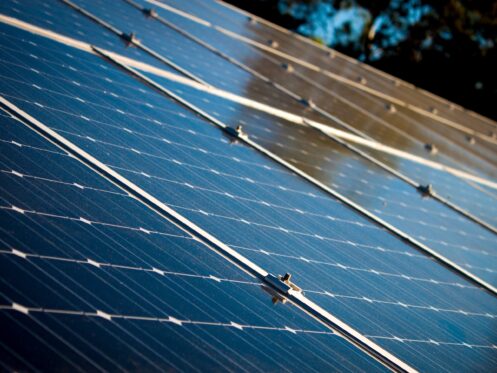
Conventional solar panels are, by far, the most common option for residential solar power systems. The typical rooftop solar panel is roughly 5.4 feet by 3.25 feet and produces between 350 and 400 watts. The panels are installed on a racking system affixed to your home’s existing roof. In most cases, this doesn’t require replacing your entire roof unless it’s especially old. It may even extend the useful life of your existing roof. You also don’t have to purchase a battery storage system with traditional solar panels. That can lower your upfront costs and give you added system design flexibility.
Advantages of Solar Panels?
Cost is a major advantage of solar panels relative to a Tesla Solar Roof. On average, you’ll only pay about $3.81 per watt for a system of conventional solar panels. Plus, most solar manufacturers offer a 25-year materials and performance warranty for their panels. And since you have multiple panel manufacturers to choose from, you’re not forced to pick just one. You can purchase panels from one manufacturer, inverters from another, and a charge controller from yet another.
Rooftop solar using conventional solar panels also minimizes maintenance needs. If a panel malfunctions, replacing it is straightforward and won’t affect the rest of your system. That’s not necessarily the case with a Tesla Solar Roof due to their tight integration. You also don’t need to choose a Tesla-approved installer to get a conventional rooftop solar system installed. That gives you far more options as a homeowner and greater control over your investment.
Disadvantages of Solar Panels?
One of the only major disadvantages of conventional solar panels vs a Tesla Solar Roof is their appearance. While some homeowners like solar panels’ sleek, futuristic look, they’re far from inconspicuous. They require you to cover up a part of your home’s roof, hiding it from view. Plus, installing solar panels on your roof requires the attachment of mounting hardware. If you don’t have the work done by an experienced solar contractor like KPost Company, that could lead to roof damage. Proper installation of rooftop solar panels requires considerable skill, training, and experience.
Another disadvantage of conventional solar panels is that damage to a single panel can significantly impair your system. Since each solar panel makes up a larger percentage of your system’s generation capacity, losing one is a big deal. It typically requires you to take immediate corrective action. With a Tesla Solar Roof, the temporary loss of a single roof tile is no big deal and you can go without it for a period of time.
Your Trusted Rooftop Solar Experts
Whether you want conventional solar panels or a Tesla Solar Roof for your Dallas home, KPost Company can help. That’s because we’re a Tesla Certified Installer, and we work with various other solar panel manufacturers, too. Additionally, we offer comprehensive roofing services for homes and commercial buildings.
We have a 400-strong roofing team with more than 5,000 years of experience between them. Since we started in 2004, we’ve also completed over 1,240 projects to date, including installing roofs on some of Dallas’s most recognizable buildings. We can even offer financing options on approved credit to help you afford the solar power solution you want. So, if you want to upgrade your Dallas home with a solar power system, contact our experts at KPost Company today!
FAQs

