

Key Takeaways
- Your insurer may pay for the inspection. When a homeowners policy requires a roof inspection, the carrier will typically cover the cost, sometimes leaving you with little or nothing out of pocket. Many roofing companies also provide basic inspections at no charge alongside other services.
- Storm damage is not the only reason to inspect. Post-storm checks matter, but an annual inspection finds small leaks and damaged shingles before they become expensive. Inspections also cover ventilation problems, structural issues, and material wear, not only active leaks.
- A new roof still needs inspecting. Installation errors, material defects, and storm damage all happen to roofs that were finished last year. An inspection on a recent roof protects the investment while any problem is still small and potentially covered.
- No visible damage does not mean no damage. Punctures, worn material, and developing problems are frequently invisible from the ground and sometimes from the roof surface itself. That gap between what a homeowner can see and what a trained inspector finds is the reason to hire one.
- Not every contractor is qualified to inspect a roof. Roof inspection takes specialized knowledge, so a licensed roofer produces a materially different assessment than a general contractor. A thorough inspection also covers gutters, confirming they are secure and clear enough to drain properly.
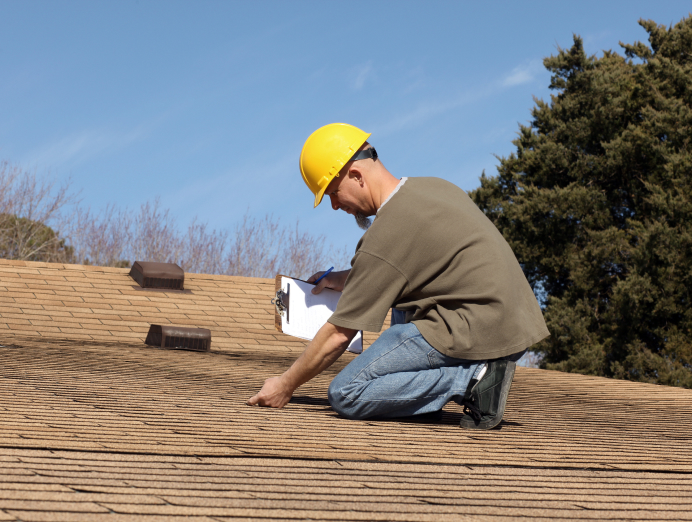
Your roof is one of the most important components of your home, protecting your family and belongings from the elements. Regular roof inspections by professionals not only safeguard your home’s appearance and value but also help prevent costly repairs. Unfortunately, misconceptions about roof inspections often hold homeowners back from getting this essential service. Let’s debunk 20 common myths about roof inspections and set the record straight.
1. Insurance Companies Don’t Cover Roof Inspections
Good news: if your homeowner’s insurance requires a roof inspection, they’ll typically cover the cost. In many cases, you might pay little to nothing out of pocket. Always check with your insurer to confirm coverage.
2. Roof Inspections Are Always Expensive
Worried that a roof inspection will cost you a fortune? In many cases, they’re more affordable than you think—and sometimes even free! Many roofing companies, including ours, offer basic inspections at no cost when combined with repairs or other services. Reach out to our team today to learn more and schedule your inspection!
3. Roof Inspections Are Only Necessary After Storms
While inspections after a storm are crucial to assess potential storm damage, annual roof check-ups can uncover minor issues—like small leaks or damaged shingles—before they escalate into costly problems.
4. DIY Inspections Are Just as Good
Climbing up on your roof might seem like a cost-effective solution, but professionals are trained to spot hidden issues you could miss. For your safety and peace of mind, schedule an annual professional inspection.
5. Inspections Only Find Leaks
Roof inspections are about more than leaks. Professionals look for ventilation problems, structural damage, and other issues that impact your roof’s lifespan and efficiency.
6. You Can Only Schedule Inspections in Warm Weather
Roof inspections happen year-round! However, extreme winter weather—like snow or ice—can delay the process. Plan ahead to ensure your roof gets the attention it needs.
7. New Roofs Don’t Need Inspections
Even brand-new roofs benefit from inspections. Storm damage, installation errors, or material defects can occur, and a professional inspection ensures your investment is protected and roof repairs happen before problems escalate.
8. No Visible Damage Means Your Roof Is Fine
Just because you can’t see damage doesn’t mean your roof is problem-free. Professionals can detect subtle issues, such as punctures or worn materials before they turn into major headaches.
9. All Roofing Materials Are Equal
Not all roofing materials offer the same durability or performance. A professional can help you assess the condition and longevity of the materials on your roof and recommend solutions if they’re wearing out faster than expected.
10. Roof Inspections Don’t Include Gutters
A thorough inspection includes checking your gutters. Professionals ensure they’re securely attached and free of debris to maintain proper water drainage.
11. Inspections Aren’t Necessary Before Roof Replacement
Before replacing your roof, an inspection can uncover hidden issues like insulation gaps or ventilation problems that should be addressed for the best results.
12. Only Inspect Your Roof When Something Goes Wrong
Annual inspections are proactive, helping you catch small problems before they become emergencies. Think of it as routine maintenance for your home’s most important shield.
13. Any Contractor Can Inspect a Roof
Roof inspections require specialized knowledge. Hiring a licensed roofer ensures you get an accurate assessment from someone trained to identify roofing-specific issues.
14. No Warranty, No Inspection Needed
Even if your roof is out of warranty, regular inspections can help you plan for repairs and replacements, saving you money in the long run.
15. Roof Inspections Are Only for Older Homes
New homes can have roofing issues too, especially if materials or craftsmanship don’t meet quality standards. Inspections ensure your roof is ready to weather the elements.
16. Certain Climates Don’t Require Inspections
No matter where you live—humid, dry, cold, or hot—weather impacts your roof. Schedule yearly inspections to stay ahead of any damage caused by your local climate.
17. Inspections Are Just for Single-Family Homes
Roof inspections benefit all types of homes, from duplexes to townhouses. If there’s a roof over your head, it needs attention.
18. Inspections Only Check for Damage
Roof inspections provide a full evaluation of your roof’s condition, from craftsmanship quality to estimated lifespan, offering valuable insights about your home’s long-term protection.
19. Inspections Take All Day
Most inspections take just one to two hours, depending on the size and complexity of your roof. You’ll quickly know your roof’s condition and what steps to take next.
20. No Need for an Inspection Before Selling a Home
A roof inspection before selling adds value and reassures potential buyers. It also gives you time to address any repairs or upgrades to boost your home’s marketability.
Your Roof Is in Good Hands with KPost Company
At KPost Company, we’ve been serving the Dallas area for over 20 years with expert residential roofing services. From inspections to repairs, replacements, commercial roofs, and solar panel installations, our experienced team is here to keep your roof in peak condition. Contact us today to schedule your professional roof inspection and protect your home with confidence.
FAQs

