

Key Takeaways
- Three-tab and dimensional are the two main choices. Three-tab shingles get their name from the three tabs along the bottom edge and are known for affordability, easy installation, and a uniform look. Dimensional shingles, also called architectural, are layered to resemble slate or wood shake and cost more upfront.
- Dimensional shingles are the more rugged option. The layered construction that produces the slate or shake appearance also makes them tougher than three-tab. That’s the tradeoff you’re buying with the higher installation price, not just the aesthetics.
- Warranty length is a proxy for expected lifespan. The coverage a manufacturer offers signals how long they expect the product to perform and reflects its quality tier. Comparing warranties across shingle options is a faster way to compare durability than comparing marketing claims.
- Insulation is rated by R-value, and the options differ. Wood fiber, perlite, closed-cell foam, and polystyrene each carry a different R-value, which measures resistance to heat transfer. Higher R-value produces greater energy savings across the life of the roof.
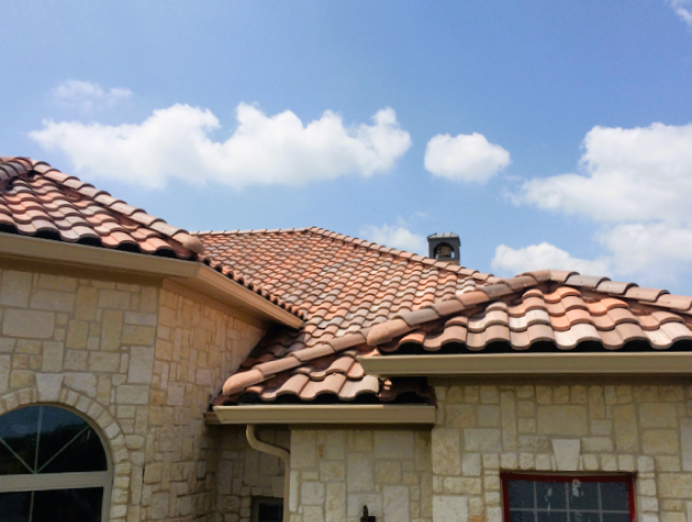
- Let the house choose the shingle. A colonial home usually calls for matching the existing shingle to preserve its period character. A contemporary house can absorb slate, tile, or metal, which changes its appearance entirely. Color should work with the exterior and the landscaping around it.
A variety of factors will influence the style and design of your roof. It’s important to consider the type of shingles to install along with the underlayment, insulation, and other components which make up your roof. With so many options, it can be a challenge to decide what materials are the best investment. Take some time to review useful information about choosing the best roof shingles and the materials which go beneath them before you invest in your new roof installation.
Home Architecture and Style
The visual design of your home will have a big impact on the shingles you choose. For colonial style homes, you may want to match the existing shingles to maintain the historic ambiance of your home. For more contemporary houses, choosing shingles such as slate, tile or metal can completely change the home’s appearance.
Shingle Types
Among the various types of shingles available on the market today, two of the most commonly used are 3-tab and dimensional shingles. These options each give your home a unique appearance worth exploring. You’ll want to discuss which option may be best for your home with a trusted roofing consultant.
3-Tab Shingles
These shingles are among the most popular for homeowners. 3-tab shingles derive their name from the 3 tabs along the bottom of each shingle. These shingles are known for their affordability, ease of install, and uniform appearance.
Dimensional Shingles
Dimensional shingles, also known as architectural shingles, are layered to resemble slate or wood shake shingles. Due to their design, dimensional shingles are generally regarded as slightly more rugged than their tab counterpart. However, homeowners will spend more upfront on the installation of these shingles.
Aesthetic Appeal and Matching Color or Landscaping
You’ll want to select a color for your shingles to compliment the existing color scheme of your home and surrounding landscaping. For instance, a red house may look best with earth-tone shingles of black, grey, or dark brown while a white house could look great with practically any color.
Cost Considerations
The prices of shingles, and the infrastructure supporting them, should be considered before selecting materials. In general, asphalt shingles will be the most affordable. Higher quality slate, shake, and metal rooftops will cost more to install. Also, the warranties offered on your shingles will indicate their expected lifespan and quality which will have an effect on the overall price.
Beneath the Shingles
1. Insulation
There are many options out there when it comes to insulating your roof. A few options include wood fiber, perlite, closed-cell foam, and polystyrene. Each of these insulation choices has a unique R-value which corresponds to its effectiveness at resisting heat. The higher the R-value, the more energy savings you can expect over time.
2. Ventilation
As warm air rises in the home, it will seek a place to exit and this is where roof ventilation comes into play. Ventilation should be installed in the soffits and gables of your home as needed to facilitate the proper flow of air. One of the side effects of not having adequate attic ventilation is the buildup of moisture which can lead to mold growth in your attic space.
3. Roof Deck
Beneath the insulation of the roof is the supporting structure known as the roof deck. Oriented strand board or plywood are usually used in the construction of a roof deck. If you’re planning on replacing the shingles on your older home, it may be worth considering replacing the roof deck as well, especially if it has sustained damage in the past.
4. Water Shield
Water shields are made of polymer-modified bitumen and are installed with the underlayment in areas of the roof most vulnerable to water leaks. Water shields effectively protect roof valleys and penetrations from damage caused by water or ice. Because a water shield can result in the development of a vapor barrier in the home, it’s important to ensure there is plenty of attic ventilation available.
5. Underlayment
The underlayment is the portion of the roof directly below the shingles but above the insulation and decking. Underlayment materials are available in either felt or synthetic. While felt underlayment is the more affordable option, synthetic underlayment is generally regarded as longer-lasting and faster to install than felt options. However, a synthetic underlayment will cost more to install.
If you’re thinking about replacing the roof on your home in the DFW Metroplex or Denton, call KPost Company today. Our experienced roofing veterans will guide you through the process of selecting the right roofing shingles and supporting components for your unique home, answering any questions you may have along the way. Since 2004, KPost Company has remained a trusted name in residential roofing solutions throughout DFW Metroplex and Denton.
FAQs

