

Key Takeaways
- Verify three specific coverages, not just the word insured. Personal liability, property damage, and workers’ compensation. Ask for copies of the insurance and license certificates rather than taking it on faith. Without workers’ comp, an injury on your roof can become your problem.
- A deposit is normal, full payment upfront is not. A reputable contractor asks for a down payment and collects the balance when the work is finished. Anyone pressing for the entire cost before starting, or pushing you to sign a quote on the spot, is worth walking away from.
- The estimate should itemize materials, work, and labor. A vague low number is how unexpected costs get added later. A detailed written estimate lets you compare bids on the same terms and gives you something to hold the contractor to.
- A thorough roofer inspects the attic too. The first visit should cover the attic as well as the roof surface, since that’s where hidden leaks, ventilation problems, and moisture damage show up. An inspection that stops at the shingles isn’t a full assessment.
- Check references and third-party ratings both. Call previous customers and ask about communication and follow-through. Look at the Better Business Bureau rating and the local Chamber of Commerce. A contractor with deep community roots has more at stake in your project than one passing through.
Can you trust them? Trust is the most critical aspect when it comes to building a working relationship with a roofing company. After all, you’re entrusting them with the most vital component of protection for your home and family. So, how can you have peace of mind knowing you’ve hired a trustworthy roofing contractor?
Why Hire a Professional Roofing Contractor
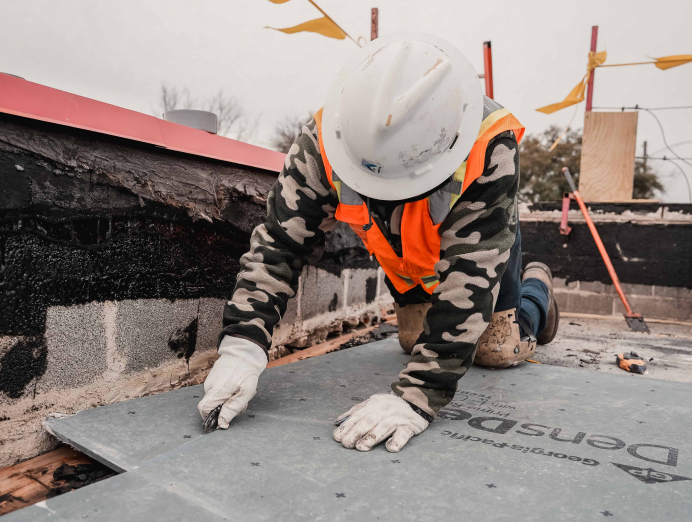
Safety is the most important consideration when installing, repairing, or maintaining a roof. It can be dangerous for any homeowner to get up the roof. There are multiple hazards involved in roof work, including falls, injuries, and tool hazards. However, professional roofers have the training and expertise to safely do the work so you are protected from preeminent danger. It’s not worth losing your arm or limb just to save a few bucks, so leave it to the experts.
Other than safety, here are a few more reasons to hire a professional roofing contractor:
- Warranties. A reputable local roofer who has been in business for several years often has the experience and manufacturer training to offer the best warranties. As a result, you can rest assured they’ll come back and make the necessary repairs should anything go wrong before the warranty period elapses.
- Reliability. Reputable roofing contractors have built a reputation in the community and won’t run off with your money like storm chasers. They’ll be around to periodically inspect your roof and fix small issues before they grow into bigger, more expensive problems.
- Peace of Mind. By working with an experienced local roofer, you will have peace of mind knowing your roof is installed correctly and will protect your home for years to come. They’ll also carry out regular inspections and maintenance to keep your roof in top-notch conditions at all times.
How to Know You Can Trust a Roofer
Here are eight ways to identify a trust-worthy roofing contractor:
- They Have Proper Insurance and Licenses. A trustworthy roofer should have the required local licenses and insurance. Proper insurance should include personal liability coverage, property damage coverage, and workers’ compensation coverage. Be sure to ask for a copy of their insurance and license certificates for validation.
- They are Local. It’s advisable to work with a local roofing contractor with a long history in your area. With deep community roots, they will value the reputation and relationships they have built with customers and suppliers. Speak with previous customers to learn about their service delivery, communication, and reputation.
- They have Good Reviews. Choose a roofing contractor with good customer reviews and can offer references for you to call. They should have previous customers who trust and recommend them. You may also want to check out their rating with the Better Business Bureau and the local Chamber of Commerce.
- They Have Good Communication. Before you commit to a roofing contractor, find out how they communicate, answer calls, and respond to queries. A trustworthy roofer will be willing to answer your questions promptly and sincerely without hiding any information from you.
- They Carry Out Thorough Inspection. When your roofer comes for the first time, they should carry out an inspection of your roof and attic. See if they are thorough in what they look at. You want an honest assessment of the condition of your roof and a cost-effective solution on how to make your roof secure and watertight again.
- They Don’t Demand Full Payment Upfront. Avoid any roofing contractor who issues a quote and pressures you to sign the contract right away. A reputable roofer allows time for you to make an informed decision and arrange finances as needed. They will ask for a downpayment, but never for the full cost of the project upfront. Once the project is completed, they will request the remaining balance.
- They Give Detailed Estimates. An ethical roofer will give you an estimate which includes the materials they’ll use, the work they will carry out, and their labor cost. Crooked contractors may lure you with a cheap estimate only to hit you with unexpected costs once the project is completed.
- They Offer Fair Costs. Although reputable roofers may cost more, their service and expertise are worth the extra money. Not only will you receive better customer service, but you’ll also gain a better roof.
KPost Company offers all the above benefits, making us the most trusted roofing contractor to hire in Dallas, TX. Our roofing specialists are licensed, insured, and bonded. So, you can have peace of mind knowing your roof is handled by skilled professionals with several years of hands-on experience in the industry. Contact us today to request a free inspection or estimate.
FAQs

