

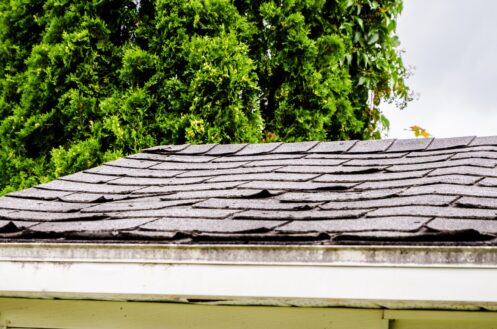
Spring storms can be tough on a roof, especially one that is older or already vulnerable. Preparation is key to strengthening your roof and improving its ability to withstand heavy winds, rain, and debris. Below are several practical steps you can take to get your roof ready for storm season.
Check for Exterior Damage
After a storm, avoid climbing onto your roof to check for damage, as doing so can be extremely dangerous—especially for those with certain health conditions. Fortunately, there are safer ways to look for potential exterior damage without putting yourself at risk.
One option is to inspect the roof from ground level. By stepping back from your property and looking upward, you may be able to spot missing shingles, sagging areas, or other visible issues. It’s also a good idea to check your yard for loose roofing materials, such as shingles that may have blown off.
You can also inspect lower roof sections from inside your home by looking out windows, such as those overlooking a porch or garage roof. If local regulations allow, using a drone is another safe option. This approach provides a clear view of your roof from multiple angles while keeping you on solid ground. Photos or videos can be shared with your roofer if you suspect damage.
Look for Signs of Interior Damage
If roof damage is significant, interior warning signs may appear. These can include water stains on attic walls or ceilings, peeling paint, bubbling drywall, musty odors, or damp attic flooring. In more severe cases, mold or mildew may develop. Mold can begin growing within 24 to 48 hours under the right conditions and, if left unaddressed, can pose serious health and structural risks.
Schedule a Professional Inspection
A professional roof inspection is one of the best ways to assess your roof’s condition. We typically recommend scheduling an inspection every three to five years, though more frequent inspections are a good idea if your roof is aging or you suspect existing damage.
During an inspection, our roofers examine roofing materials, flashing, chimneys, vents, and other key components. Once the inspection is complete, we’ll explain our findings and recommend any necessary repairs. Depending on the roof’s age and condition, a replacement may also be discussed.
One of the biggest advantages of a professional inspection is early detection. Experienced roofers can identify weak points before they turn into costly problems. Inspections also provide a great opportunity to ask questions about how to better maintain your roof throughout the year.
Clear Debris From Downspouts
Water should flow smoothly from your roof through the gutters and downspouts and away from your home. When debris such as leaves and twigs accumulates, clogs can form and cause water to back up. Carefully removing visible debris can help restore proper drainage.
Before getting started, remember a few safety tips. Always wear protective gloves, and avoid using sharp tools that could damage the gutters. If debris is difficult to remove, it’s best to leave the job to a professional. Never insert your hand or tools directly into a downspout, as this can lead to injury or damage.
Prepare Your Gutters
Keeping gutters clear is just as important as clearing downspouts. Due to their height and accessibility, it’s often best to have professionals handle gutter cleaning. They can safely remove debris and inspect for damage. Gutter guards may also be installed to reduce future buildup and help protect against heavy spring rainfall.
Make Necessary Repairs
If your roof requires repairs—such as replacing damaged shingles—schedule them as soon as possible. Completing repairs before spring storms arrive helps prevent minor issues from escalating. Addressing problems early is typically more cost-effective than waiting until extensive damage occurs.
Trim Overhanging Tree Branches
Tree branches hanging over your roof may appear harmless, but storms can cause them to break and fall, potentially damaging the roof or even penetrating it. The risk is higher when branches are heavy, weakened, or already damaged.
An arborist can assess nearby trees and determine which branches pose a threat. They have the tools and training needed to remove branches safely. Attempting to cut branches on your own can be dangerous and may cause unintended damage to your roof, so professional removal is strongly recommended.
Take Before Photos
Taking photos of your roof before storm season begins can be extremely helpful. Capture images from the ground and from windows where it’s safe to do so. Drone photos or videos are even better if available. These images serve as documentation for insurance claims if storm damage occurs. Be sure to back up the photos by emailing them to yourself or storing them securely.
Review Your Homeowners Insurance Policy
Many homeowners don’t revisit their insurance policy after initially purchasing it, but reviewing it annually is a smart move. This helps clarify what types of storm damage are covered and what steps are required if damage occurs. Pay close attention to any inspection or maintenance requirements. If you have questions, contact your insurance provider to confirm coverage details or ask about potential discounts.
Prepare your roof for spring storm season by addressing potential issues early. Contact KPost Company in Dallas, TX for professional inspections, repairs, and roofing services. Call today to schedule an appointment or request an instant roof quote through our website.
FAQs

