

Key Takeaways
- Drains and scuppers do the same job differently. Roof drains sit in the roof surface and carry water through strainers, drain bowls, and piping away from the foundation. Scuppers are openings in parapets or perimeter walls that let water exit at the roof edge, usually feeding a downspout or leader head.
- Standing water adds thousands of pounds. Ponded water and ice place real structural load on a roof that was never designed to hold it. Prolonged ponding also degrades the membrane itself, producing blistering and cracks well before the roof should have failed.
- Run a flow test, not just a visual check. Pour water into each drain and watch whether it moves into the piping without backing up. A drain that looks clear from above can still be blocked further down, and a flow test is the only way to find that from the roof.
- A missing strainer becomes an expensive clog. Strainers and screens keep debris out of the piping. When one is broken or gone, leaves and dirt travel into the line where clearing them costs far more than replacing the strainer would have.
- DFW drainage fails for three local reasons. Autumn leaves pack drains and scuppers, especially near trees. Sudden cold snaps freeze standing water and the ice can crack drain components. And North Texas rain tends to arrive in short heavy bursts that overwhelm a system already running at partial capacity.
As the weather shifts from long, hot North Texas summers to unpredictable fall and winter conditions, building owners in the Dallas-Fort Worth (DFW) area must turn their attention to one of the most overlooked parts of their roofing systems: roof drains and scuppers.
These essential components keep water from pooling on flat and low-slope commercial roofs, protecting buildings from leaks, structural damage, and costly emergency repairs.
In DFW, where sudden freezes, torrential rains, and leaf-filled autumns create unique challenges, ensuring your drainage systems are clean and functioning properly before winter sets in is critical. Proactive maintenance of drains and scuppers not only prevents damage but also extends the life of your roof, protects interior assets, and saves money in the long run.
Understanding Roof Drains and Scuppers
Roof Drains
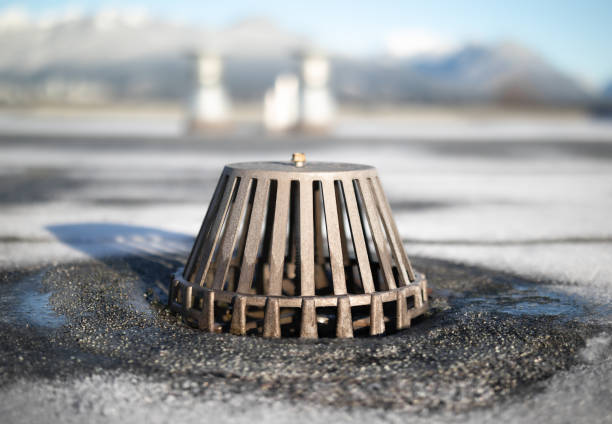
Roof drains are installed in the roof’s surface and connect to piping that carries water off the roof and away from the building’s foundation. They are common on large commercial buildings and are designed to handle significant water volumes. A properly functioning roof drain system ensures water flows efficiently through strainers, drain bowls, and connected piping, rather than pooling on the roof.
Scuppers
Scuppers are openings in parapets or perimeter walls that allow water to drain off the roof edge. They are often paired with downspouts or leader heads to guide water away from the building façade. Scuppers provide an additional outlet for water drainage, especially during heavy rains.
Why Both Matter
While roof drains and scuppers operate differently, they share one critical goal: preventing standing water. Without proper drainage, water can pond on the roof, seep into seams, weaken roofing membranes, and even overload the roof structure. In short, drains and scuppers are small components with a big impact.
Seasonal Challenges for DFW Roof Drainage
- Falling Leaves and Debris: Autumn winds fill drains and scuppers with leaves, sticks, and dirt, which can block water flow. Even partial blockages reduce efficiency and increase the risk of water pooling.
- Freeze-Thaw Cycles: Although winters in North Texas are usually mild, sudden cold snaps can freeze standing water in drains and scuppers. Ice blockages prevent proper drainage and can crack roofing materials or drain components.
- Heavy Rainstorms: DFW experiences significant rainfall throughout the year, often in short, heavy bursts. A poorly maintained drainage system can quickly become overwhelmed, leading to leaks or roof damage.
- Unpredictable Winters: One week may bring 70-degree weather, while the next could see freezing rain or ice. This variability makes it essential for commercial property owners to prepare for all scenarios.
Pre-Winter Maintenance Checklist
Proactive care for roof drains and scuppers can be broken into four main categories: inspection, cleaning, repairs, and preventive measures.
1. Inspection
- Visual Checks: Walk the roof and inspect each drain and scupper for visible blockages, cracks, or deterioration.
- Strainers and Screens: Confirm that drain strainers are securely in place and free of damage. Missing or broken strainers allow debris to enter piping, causing costly clogs.
- Flow Test: Pour water into each drain to ensure it flows freely into the piping system without backflow.
2. Cleaning
- Debris Removal: Clear leaves, dirt, and trash from drains and scuppers. Pay special attention to areas near trees, where organic matter accumulates quickly.
- Flush Lines: Use water or air pressure to flush drain lines, confirming that water exits the system unobstructed.
- Gutter and Downspout Check: If scuppers connect to gutters or downspouts, clean and test those components as well.
3. Repairs & Adjustments
- Sealants and Flashing: Reseal around drains and scuppers to ensure water cannot seep beneath the roofing membrane.
- Rust or Corrosion: Repair or replace metal scupper components showing signs of deterioration.
- Slope Adjustments: Ensure roofing materials direct water toward drains and scuppers. Low spots that trap water may require corrective work.
4. Preventive Measures
- Install or Replace Strainers: Ensure all drains are fitted with protective screens or domes to catch debris.
- Schedule Routine Inspections: Set up seasonal inspections, especially after heavy storms.
- Snow and Ice Planning: Although rare in DFW, ice buildup can occur. Be prepared with a plan to safely manage ice dams and blockages if they develop.
Consequences of Neglect
- Roof Leaks: Blocked drains cause water to back up, eventually penetrating seams or flashing.
- Membrane Damage: Prolonged ponding water degrades roofing membranes, leading to blistering or cracks.
- Structural Stress: Standing water and ice add thousands of pounds of weight to roofs, stressing structural components.
- Interior Damage: Water infiltration damages insulation, ceilings, walls, and even electrical systems.
- Higher Costs: Emergency repairs are almost always more expensive than scheduled maintenance.
Why Partner with a Professional Roofing Contractor
Trained Eyes for Hidden Problems
Professionals know how to identify issues that are not obvious, such as subtle low spots in roofing, hidden clogs inside piping, or early signs of membrane wear.
Proper Tools and Equipment
Contractors use specialized equipment to flush lines, reseal flashing, and test system performance safely.
Compliance with Building Codes
DFW commercial buildings must comply with specific drainage and safety requirements. A professional ensures all work meets code standards.
Long-Term Cost Savings
Investing in preventive maintenance with a qualified contractor helps extend the life of your roof, protects interior assets, and reduces the risk of unplanned expenses.
Why Choose KPost Company?
KPost Company has been serving the DFW area for years, with extensive experience in maintaining and repairing commercial roofing systems. Our team understands the unique weather challenges of North Texas and provides tailored solutions that keep your roof ready for anything the season brings. From routine inspections to emergency repairs, KPost Company is the trusted partner for property managers, business owners, and facility directors across DFW.
Conclusion & Call to Action
Roof drains and scuppers may seem like small parts of a large commercial roofing system, but they play an outsized role in protecting your property. In DFW, where winter weather can swing from mild to extreme overnight, taking the time to inspect, clean, and maintain your drainage systems is a smart investment.
Don’t wait until the first heavy rain or freeze exposes a hidden problem. Schedule your pre-winter roof maintenance with KPost Company today to keep your building safe, dry, and protected all season long.
Contact KPost Company to schedule your inspection and prepare your commercial roof for winter in Dallas-Fort Worth.
FAQs

