

Key Takeaways
- Nail pops open holes that grow. Fasteners work their way up through shingles as the roof moves and temperatures cycle. The resulting opening starts small, but continued movement and heavy rain widen it, and water enters the roof system through a defect nobody put there.
- Vent seals dry out and crack. The rubber or metal seal around a roof vent degrades over time, and once it fails water has a direct path in. These leaks run undetected for long stretches, particularly in homes where nobody inspects the attic.
- Clogged gutters push water backward under the shingles. When gutters block, rain backs up and spills onto the roof instead of away from it. Over time fascia boards rot, roof edges sag, and water gets forced beneath the shingles, which is how a gutter problem becomes an interior leak.
- Wet insulation raises your energy bill before you see a stain. Saturated insulation stops regulating temperature, so the HVAC system runs harder and rooms feel unevenly conditioned. That change in comfort and cost often precedes any visible sign inside the house.
- Roof water and electrical systems intersect. Leaks can reach wiring, outlets, and junction boxes, creating short circuits, electrical failures, and fire risk. Water also travels along framing behind walls, producing rot, sagging ceilings, and drywall that bubbles or crumbles far from the entry point.
Any time your roof develops a leak, taking quick action is essential. The longer a leak goes unrepaired, the more damage it can cause. Even small leaks can allow water to enter the home and affect interior spaces over time. The overall condition of your roof plays a major role in how well it protects against water intrusion. Regular roof maintenance is one of the most effective ways to reduce the risk of leaks.
What Causes Small Roof Leaks?
Several issues can lead to small roof leaks. Understanding these common causes makes it easier to spot problems early and address them before they worsen.
Damaged or Missing Shingles
A missing or damaged shingle may not seem urgent, especially if it isn’t visible from the ground. However, cracked or missing shingles expose the roof deck beneath them, removing a key barrier against moisture. Wind-driven rain can penetrate seams and joints, allowing water to seep into the roofing system. The longer damaged shingles remain unrepaired, the more severe the water intrusion can become.
Cracked or Worn Flashing
Flashing creates a watertight seal around roof penetrations and transition points. Common locations include chimneys, skylights, vents, and where roof planes meet. When flashing becomes loose, cracked, or corroded, water can more easily enter the home. Because flashing is often hidden beneath shingles or siding, damage may go unnoticed for long periods.
Clogged Gutters or Downspouts
Gutters play an essential role in directing water away from the roof. When they become clogged, rainwater backs up and spills onto the roof, accelerating material deterioration. Over time, fascia boards can rot, roof edges may sag, and water may be forced beneath shingles, eventually leading to interior leaks.
Failing Roof Vent Seals
Roof vents allow proper airflow through the attic, but the rubber or metal seals around them can dry out and crack over time. Once these seals fail, water can leak into the home. Vent-related leaks often go unnoticed for extended periods, particularly if the attic isn’t inspected regularly.
Nail Pops or Exposed Fasteners
Nail pops occur when fasteners push up through shingles due to roof movement or temperature fluctuations. These exposed fasteners create small openings that allow water to seep into the roof system. While the holes may start small, repeated movement and heavy rainfall can cause them to grow over time.
The Hidden Dangers of Small Roof Leaks
Small leaks may not seem serious at first, but they can cause extensive damage inside the home if left unaddressed. Understanding these risks helps highlight the importance of early repairs.
Water Damage Inside Walls and Ceilings
Water entering through the roof can travel along framing and behind walls, leading to wood rot and structural weakening. As moisture accumulates, ceilings and walls may begin to sag. Drywall can bubble, crack, or crumble, creating visible damage throughout the home.
Mold and Mildew Growth Risks
Excess moisture from roof leaks creates ideal conditions for mold and mildew growth. Attics and wall cavities are especially vulnerable due to limited airflow and lack of light. Once mold develops, it can spread quickly, contributing to respiratory issues, allergies, and the deterioration of building materials.
Insulation Damage and Energy Loss
When water saturates insulation, it loses its ability to regulate indoor temperatures effectively. As a result, your HVAC system may work harder to maintain comfort, leading to higher energy bills. Wet insulation can also create uneven temperatures, making living spaces less comfortable.
Electrical Hazards From Moisture Exposure
Roof leaks can expose electrical wiring, outlets, and junction boxes to moisture. This increases the risk of short circuits, electrical failures, and potential fire hazards, making prompt repairs especially important.
Ceiling Stains and Interior Aesthetic Damage
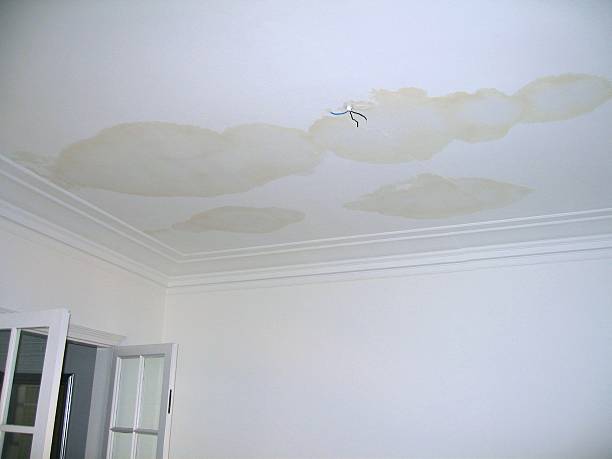
Beyond structural and safety concerns, roof leaks can also damage your home’s appearance. Water stains on ceilings and walls, peeling or bubbling paint, and discoloration are often visible signs of an active or ongoing leak.
How to Protect the Home Against Small Roof Leaks
There are several proactive steps homeowners can take to reduce the risk of roof leaks and prevent interior water damage.
Schedule Regular Roof Inspections
During a professional roof inspection, a trained technician checks for both visible and hidden signs of leaks. This includes inspecting shingles, flashing, vents, and seals. Annual inspections are recommended for most homes, while older roofs may benefit from semi-annual evaluations.
Address Minor Damage Quickly
Promptly repairing minor roof issues helps prevent them from developing into larger problems. For example, if roofing nails begin to push through shingles, a professional can reseal or secure the fasteners to stop water from entering through the openings.
Keep Gutters and Downspouts Clear
Clean gutters help protect more than just the roof. They also reduce the risk of water damage to siding and the foundation by preventing overflow and pooling. Most homes benefit from gutter cleaning at least once a year and after major storms. Trimming overhanging branches can also make maintenance easier.
Get Expert Roof Solutions in Dallas, TX
If you suspect your roof is leaking, contact us right away. Our experienced roofers can perform a thorough inspection and recommend the most effective repair solution. We work with a wide range of roofing materials, including shingles, slate, tile, metal, synthetic systems, and TPO. We also provide emergency roofing repair services.
Do you have concerns about your roof? Contact KPost Company today to schedule professional roofing services in Dallas.
FAQs

