

Key Takeaways
- Know whether your policy separates cosmetic from functional damage. Some Texas policies cover only damage that affects performance, not appearance. Others limit coverage based on roof age or material. Your deductible, depreciation terms, and exclusions all shape what a claim can return, and reading them before you file prevents surprises during the adjuster conversation.
- File fast, because Texas insurers set reporting deadlines. Filing promptly protects your claim rights and gets you into the adjuster queue earlier. After a major storm, adjusters carry heavy caseloads, so an early submission often means an earlier inspection and a shorter wait for repairs.
- Shoot video, not just photos. Photos capture missing shingles, cracked flashing, lifted edges, granule loss, and dents. Video shows shingles lifting in wind and gives a continuous view along valleys, ridges, and gutters. Include interior shots of any ceiling stains while conditions are unchanged.
- Code upgrade coverage may require a separate endorsement. A replacement often has to meet current code for ventilation, underlayment, and fastening systems, and those upgrades cost money. Some policies include that coverage and some don’t. Finding out during the repair is too late.
- Hidden damage can support a supplemental claim. Tear-off frequently exposes soft decking, moisture trails, or hail impact that nobody could see from the surface. Texas policies sometimes allow a supplemental submission for it, but only if the findings get documented as they’re discovered.
Handling a roof insurance claim in Texas requires clear documentation, fast action, and consistent communication. Storms across the state often bring hail, wind, and heavy rain, so homeowners must respond quickly when damage occurs. A structured approach helps protect claim accuracy and reduces delays. KPost Company in Dallas, TX provides guidance throughout every stage of the process to support a smoother experience.
Document the Damage
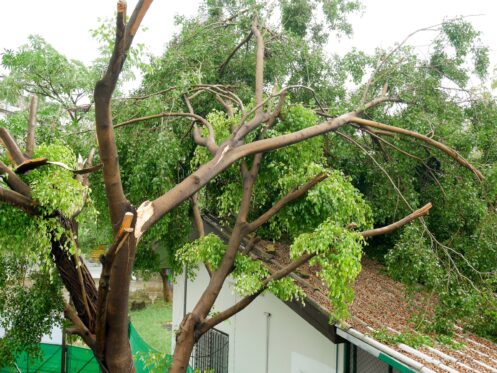
Texas storms can cause hail impacts that bruise shingles and expose vulnerable layers. Strong winds may lift shingle edges and loosen flashing. Heavy rain can enter these weakened points and saturate decking or insulation. Identifying damage early helps you move through the claims process with fewer disputes.
Photographs and videos are essential when documenting roof damage. Capture missing shingles, cracked flashing, lifted shingle edges, granule loss, and visible dents. Take interior photos of any ceiling stains or moisture marks. This documentation preserves storm details while the conditions remain unchanged.
Videos provide an even clearer view of the roof’s condition. They can show loose shingles lifting in the wind or highlight issues along valleys, ridges, or gutters. Strong visual evidence supports your written descriptions and helps reduce insurance disputes.
Review Your Insurance Policy
Before filing a claim, review your policy carefully. Some Texas policies distinguish between cosmetic and functional damage. Others limit coverage based on roof age or material type. Understanding your deductible, depreciation rules, and any exclusions prepares you for conversations with your adjuster and helps prevent surprises during the claim.
File the Claim Properly
Texas insurers often have strict deadlines for reporting storm damage. Filing promptly protects your claim rights. Provide clear and accurate descriptions of the damage without exaggeration. Attach your photos and videos to help speed up the review process.
Filing early also initiates adjuster assignment. After major storms, adjusters receive a large number of claims, which can slow scheduling. Submitting your claim quickly helps you secure an earlier inspection and faster repair timeline.
Schedule a Professional Roof Inspection
A professional roof inspection provides objective documentation that supports your claim. Our specialists look beyond surface issues and identify structural concerns that may not be visible from the ground.
We check for soft decking, moisture trails, flashing movement, and hidden hail damage. These findings support accurate repair or replacement recommendations. Our reports also confirm whether your home needs any code upgrades, which may affect ventilation, underlayment requirements, and fastening systems.
Some insurance policies include code upgrade coverage, while others require separate endorsements. Understanding this early prevents missed allowances during your repair.
Bring a Roofing Specialist to the Adjuster Meeting
Having a roofing expert present at the adjuster meeting ensures that all damage is clearly identified. A specialist from KPost Company can point out issues that may be easy to overlook and answer technical questions about your roof without influencing the adjuster’s judgment.
Because adjusters often have limited time at each property, our presence helps ensure that no part of the damage is missed. Clear communication and on-site documentation help finalize your claim more quickly.
Review the Adjuster’s Report
The adjuster report outlines approved repairs, quantities, materials, and estimated costs. Review it carefully to make sure all damaged areas are included. Compare it to your contractor’s findings to confirm accuracy. We are happy to assist you during this review.
If you notice omissions or errors, request corrections before approving the report. When supported with clear evidence, adjusters often resolve discrepancies quickly.
Texas policies sometimes allow supplemental claims when hidden damage is discovered during the repair. Our team documents these findings immediately and provides the evidence needed for a supplemental submission.
Select a Qualified Roofing Contractor
Your contractor plays a major role in the success of your claim. Texas storms often attract temporary contractors who are not local. Always choose a licensed, insured roofing contractor with a permanent local presence.
KPost Company provides dependable service backed by years of experience with Texas weather conditions. We explain every phase of the restoration, review material choices, and coordinate with your insurer whenever additional documentation is needed.
Begin Roof Replacement or Repair
Once your claim is approved, repair or replacement can begin. We schedule work based on material availability and weather conditions. Texas weather can change quickly, so our crews monitor forecasts to plan safe and effective installation windows.
During the tear-off process, hidden structural issues sometimes appear. Our team repairs damaged decking, replaces worn flashing, and updates ventilation according to code and manufacturer standards. Addressing these issues ensures long-term roof performance and protects your home from future damage.
Complete the Final Inspection
A final inspection confirms that all work was completed correctly. We review flashing, ridge caps, fastener patterns, ventilation, and underlayment installation to ensure compliance with both manufacturer guidelines and building standards.
Insurance companies often request proof of completed work. We provide photos and documentation to help you close the claim. Keep these records for warranty purposes and future reference.
Tips for Homeowners Filing Roof Claims in Texas
Prepared homeowners navigate claims more easily. Keep communication clear and direct when working with your adjuster. Respond quickly when additional details or documents are requested.
Maintain organized records of everything related to the claim, including estimates, emails, inspection reports, and adjuster notes. These files support your case if any issues arise later and provide helpful documentation for future homebuyers.
Roofing Expertise Matters During a Texas Insurance Claim
Storm damage requires specialized assessment and detailed documentation. Our roofing team understands how Texas weather affects materials and structures. We help homeowners avoid incomplete evaluations and inadequate repairs.
We provide standardized reports that align with insurer expectations. This professional organization supports your claim and reduces the likelihood of delays.
KPost Company has proudly served Texas homeowners since 2004. We offer roof installation, repair, and maintenance for all roof types. Our experts guide you through every part of the claims process for a smoother, less stressful experience.
Contact KPost Company today to schedule a roof inspection after storm damage. We are here to support you from start to finish.
FAQs
Before you start the claim process, it is worth knowing what a Texas contractor is legally allowed to offer you:

