
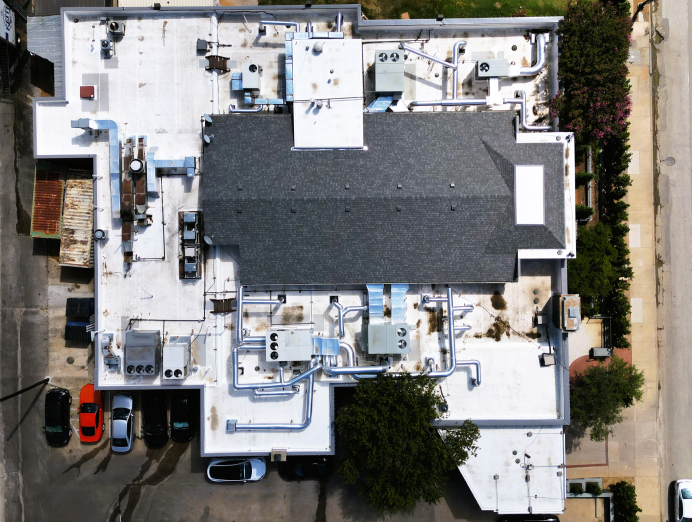
While most onlookers don’t care about the roof system, it’s a critical component of any commercial facility. It protects buildings and the sheltered installations from intemperate weather conditions and debris.
Commercial Roofs are quite expensive to install. Unfortunately, many property owners spend a lot on unwarranted repairs and replacement. In most cases, it results from ignoring the early signs of roof damage.
You should invite Certified roof inspectors to examine your roof from time to time. Commercial roof preventative maintenance can allow you to arrest the most concealed defects. Preventative maintenance is a routine, expert upkeep program aimed at eliminating premature deterioration of the roof. It ultimately prolongs the estimated life of the roofing system.
Importance of Regular Maintenance
Regular professional inspection saves you money and the trouble of unplanned roof replacement. In Dallas, certified roof inspectors benefit property owners in three main ways.
1. Leak Prevention
Leaks are predominant during thunderstorms. In most cases, they indicate more severe problems such as corrosion, wood rotting, or mold. The untrained eye may not recognize some issues associated with aging roofs.
If not fixed on time, roof damage will only worsen until unwanted elements reach the building. The roof could even collapse. Preventative maintenance is the guaranteed way of uncovering damage before it turns disastrous.
2. No Unplanned Expenses
Commercial roof maintenance programs allow property managers and owners to budget for roof repairs before they become a huge expense. The situation is opposite when you don’t have preventative maintenance in place for your commercial roof. Your roof could end up needing an urgent replacement when you don’t have the financial muscle.
3. Warranty Protection
Product warranties often get nullified when defects result from poor maintenance. The roofing industry is no exception. With routine preventative maintenance, you can have a strong case should your roof fail for substandard products. The manufacturer will most likely compensate for roof repair or replacement supplies and labor.
Tips to Help Maintain Your Commercial Roof
A commercial roof maintenance checklist is imperative before a roof inspection. Only a qualified roofing team should inspect the roof of your commercial property.
The reason for this is roof entry requires documentation showing who was on the roof, what they did, and where they went. This information can help should there be damages or issues later.
Here are some vital components of a commercial roof maintenance checklist.
- Examine the interior for signs of roof problems like mildew, water stains, drips, and so forth. If you see any, be extra vigilant when examining the roof.
- When you get to the rooftop, watch out for debris, leaves, and accumulated dirt. They can cause the roofing material to rot and the drains to clog prematurely.
- Inspect the roof surface for weathering or damage. Low spots are notorious for collecting standing water that accelerates rotting. For metal roofs, check for loose panels and corrosion.
- Pay attention to expansion joints and flashings around skylights. Ensure they are intact with no gaps.
- Check the drains for molds, moss, backed up water, and other signs of clogging. Inspect vents, chimneys, pipes, and other rooftop equipment. Signs of aging include rotting, rust, moss, sagging pipes, peeling paint, missing parts, and more.
- Inspect the stairs and railings too for structural integrity.
- Confirm that all safety signage is legible and located strategically.
- Don’t forget to check whether old repairs are functioning.
Do you need roof inspection and repair services by a certified company? Contact KPost Company today for all your commercial roofing requirements in Dallas, Texas.
FAQs

