

Key Takeaways
- Expansion joints are deliberate gaps, also called separation joints. They’re built into foundations, walls, floors, ceilings, and the exterior envelope so sections of a building can move independently instead of transferring stress into whatever is next to them.
- They absorb six different forces. Thermal expansion and contraction, uneven foundation settling, live load deflection from people and vehicles, static load from the building’s own weight, wind-induced sway in taller structures, and seismic movement.
- Additions are where they matter most. Joints also appear between exterior walls and floors, at changes in roofline or elevation, where sidewalks and parking lots meet the building, and in large slabs that can’t be poured in a single day. Connecting new construction to an existing structure without one transfers the new section’s settling straight into the old building.
- Failed sealant turns a joint into a liability. Sealants crack, shrink, and pull away over time, and once water gets in, the joint stops protecting the structure and starts exposing it. Resealing on a schedule prevents moisture damage, mold, and interior leaks.
- Some joints carry a fire rating. In many commercial buildings the joint system is part of how fire is contained between sections. A compromised joint can let flame and smoke pass through, which makes inspection a life-safety issue rather than just a maintenance one.
Maintaining structural integrity is essential for the longevity of any building, especially large commercial structures. These buildings constantly experience movement caused by temperature fluctuations, settling, heavy loads, strong winds, and even seismic activity.
To protect against cracking, shifting, or long-term degradation, engineers install expansion joints throughout a structure. These joints allow different parts of the building to move independently without putting stress on the surrounding materials. In this blog, we’ll explain what expansion joints are, why they’re so important, and how they help preserve your building’s structural health.
What Are Expansion Joints?
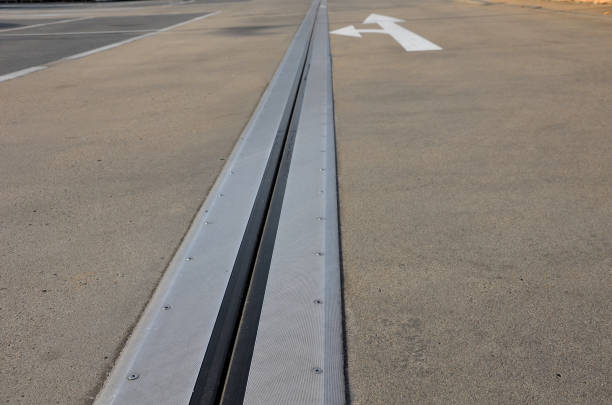
Expansion joints are intentional gaps placed in a building’s foundation, walls, floors, ceilings, and exterior envelope. These gaps are designed to absorb movement and relieve pressure on structural materials caused by natural forces.
Also referred to as separation joints, they protect against multiple types of stress and movement, including:
| Force | What causes it | What the joint does |
|---|---|---|
| Thermal expansion and contraction | Temperature changes that make concrete and other materials grow and shrink | Gives that movement somewhere to go, so concrete does not press or pull against itself |
| Uneven settling | One part of the foundation settling or shifting more than another | Lets that section move on its own while the rest of the structure stays stable and crack-free |
| Live load deflection | Temporary weight from people, furniture, equipment, and vehicles | Keeps unequal pressure in one area from overloading the sections next to it |
| Static load deflection | The permanent weight of the structure itself | Keeps that weight from transferring stress into adjacent sections |
| Wind-induced sway | Wind pressure moving the upper floors of taller buildings | Absorbs the sway so it does not cause stress fractures in the walls, ceilings, and floors below |
| Seismic activity | Ground movement during an earthquake | Lets sections of the building move independently instead of passing the stress along |
How Expansion Joints Work
Expansion joints allow different structural sections to move without transferring stress to adjacent components. For example, if one portion of a foundation settles slightly, a properly placed joint ensures the rest of the structure remains stable and crack-free.
Temperature-driven expansion and contraction can also cause concrete to press or pull against itself. Expansion joints prevent this stress from accumulating by creating space for that movement to occur safely.
In taller buildings, wind pressure can cause upper floors to sway. Without joints, this movement could create stress fractures in walls, ceilings, and floors below. Expansion joints absorb that sway and reduce the risk of long-term material fatigue or failure.
Joints also accommodate different weight loads across the building. Static loads (permanent weight of the building) and live loads (temporary weight like equipment, people, or vehicles) can place unequal pressure on different areas. Expansion joints prevent this pressure from overloading adjacent sections.
In addition to structural protection, expansion joints can also reduce the risk of water intrusion. If concrete cracks due to stress, water can leak through the building envelope. Properly installed and sealed joints keep moisture out and help maintain energy efficiency by preventing gaps that allow outside air to enter.
Where Are Expansion Joints Used?
The placement of expansion joints depends on a building’s size, layout, and materials. In commercial buildings, they’re typically found:
- Between exterior walls and floors
- At points where rooflines or elevations change
- Where additions connect to existing structures
- Between interior and exterior transitions, such as sidewalks or parking lots meeting the building
- In large concrete slabs or walls, especially when it’s not feasible to pour the full area in one day
These joints are especially important when adding on to a building. They allow the new section to settle independently without transferring stress to the original structure.
The Importance of Maintaining Expansion Joints
Expansion joints must be regularly inspected and maintained to remain effective. Over time, joint sealants can deteriorate, crack, or shrink, allowing water to seep in. Resealing these joints prevents moisture damage, mold growth, and interior leaks.
Some expansion joints in commercial buildings must also meet fireproofing requirements to contain the spread of fire between sections. If the joint system becomes compromised, it could allow flames or smoke to pass through, creating serious safety risks.
In some cases, if an expansion joint’s cover or sealing materials fail, the structure could be exposed to additional stress rather than protected from it. That’s why proper inspection, repair, and resealing are critical.
Dallas’ Trusted Experts in Joint Sealing and Structural Protection
Since 2004, KPost Company has proudly served Dallas-area commercial property owners with expert roofing, waterproofing, and foundation protection services. Our experienced crews specialize in expansion joint installation, repair, and resealing to help preserve your building’s structure for years to come.
With more than 60 skilled teams and over 400 technicians, we can handle any size project with professionalism and precision. Whether you’re constructing a new building, adding on to an existing structure, or need maintenance on aging joints, we’re here to help.
Call KPost Company today to contact us and learn how we can help safeguard your property with professional joint and foundation sealing.
FAQs
Expansion joints matter most on large structures, and few roofs are larger than this PVC system at AT&T Stadium:

