

Key Takeaways
- Residential solar costs have fallen more than 60% in a decade. The federal tax credit for homeowners ended on December 31, 2025, so local rebates and utility incentives are what remain. Many homeowners now recover their upfront cost within five to ten years through lower electricity bills. Batteries add to the total but stay optional.
- Solar rarely eliminates the bill entirely. Most homes stay connected to the utility and continue paying connection or service fees. What changes is the usage portion, which production can offset most or all of, with net metering credits available for surplus in some cases.
- Panels keep producing on cloudy days. Output drops but does not stop, because panels capture diffused sunlight. Battery storage covers overcast periods and nighttime, and any shortfall is drawn from the grid automatically so supply stays consistent.
- Solar does not automatically keep the lights on in an outage. Most systems shut down when the grid fails, by design, to protect utility crews working on the lines. Backup power during an outage requires battery storage or a hybrid setup, which is a separate decision from installing panels.
- Modern panels convert roughly 22% to 25% of sunlight. That figure sounds modest until you consider the scale of the resource, since one hour of sunlight reaching Earth could meet global energy needs for a year. Panels are built to last 25 years or more with minimal degradation.
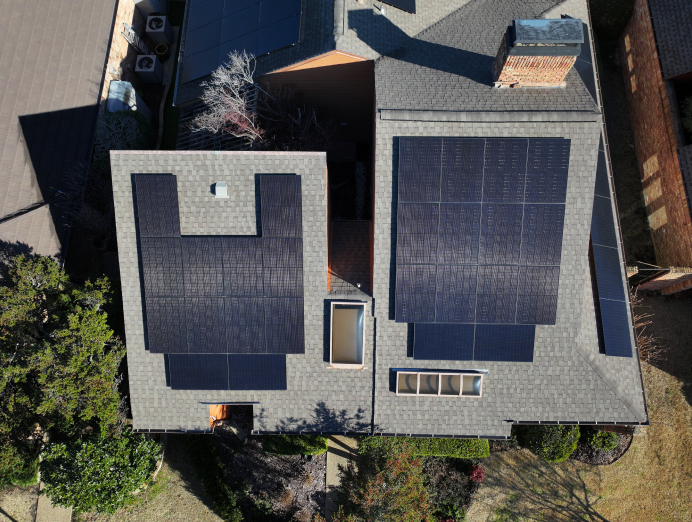
Depending on what you’ve heard, solar panels might sound like either the perfect source of free energy or an expensive luxury. You may have even heard claims that solar power harms the environment or only works when the weather is ideal. The truth is far more practical. Solar energy can be a smart, affordable solution for many homes when understood correctly. Here are some of the most common myths about solar power and the facts that set them straight.
Myth: Solar Power Is Too Expensive
This misconception dates back to the early days of solar energy, when panels and installation were far costlier than they are today. Over the past decade, the average cost of a residential solar system has dropped by more than 60%. The federal tax credit for homeowners ended for systems installed after December 31, 2025. Local rebates and utility incentives can still offset part of the installation expense. Many homeowners now recover their initial costs in five to ten years through lower electricity bills. While adding solar batteries can increase your total investment, they remain optional and provide backup power during outages.
Myth: You’ll Never Pay Another Power Bill
Some believe solar panels eliminate electricity bills entirely, but that’s rarely the case. Most homes with solar remain connected to the local utility grid. You’ll still pay small connection or service fees, but your energy production can offset most or all of your usage costs. In some cases, homeowners receive credits through net metering for the excess power their panels produce. With efficient panels and smart energy use, your monthly bills can drop dramatically, even if they don’t disappear completely.
Myth: Solar Only Works on Sunny Days
Solar panels don’t stop producing electricity when it’s cloudy or raining. While output is lower in poor weather, panels still capture diffused sunlight and continue generating energy. Homes equipped with battery storage can use stored energy on overcast days or at night. And in sunny regions like Dallas, limited sunlight is rarely an issue. Even when your system produces less power temporarily, you’ll automatically draw from the grid to maintain consistent electricity.
Myth: Solar Power Is Unreliable
In reality, solar energy is one of the most reliable power sources available. The sun’s energy is predictable, and modern panels are built to last 25 years or more with minimal degradation. Unlike traditional energy systems, solar doesn’t rely on external fuel supply chains. With the addition of battery storage, homeowners can even maintain power during short-term grid outages.
Myth: Solar Panels Are Inefficient
Solar panels today convert roughly 22% to 25% of the sunlight they receive into electricity. While that number might sound low, it’s important to consider how much energy the sun produces. In fact, one hour of sunlight striking Earth could supply global energy needs for an entire year. Even with current technology, solar panels generate far more power than most households require, making them an efficient and sustainable solution.
Myth: You’ll Have Power During an Outage
Having solar panels doesn’t automatically mean you’ll have power during a grid outage. Most systems shut down automatically to protect utility workers during repairs. To maintain electricity when the grid is down, you’ll need a battery storage system or a hybrid setup that allows backup operation. If continuous power is a priority, talk to your installer about adding solar batteries or integrating your system with a generator.
Myth: Solar Panels Require High Maintenance
Solar panels are designed to be low-maintenance. Aside from occasional cleaning to remove dust and debris, most systems require very little attention. Annual inspections can help ensure optimal performance. Systems with tracking mounts or older lead-acid batteries need more care, but most modern installations use durable lithium-ion batteries that require minimal maintenance and have long lifespans.
Myth: Solar Power Hurts the Environment
While manufacturing panels and batteries does create some environmental impact, the overall benefits far outweigh the costs. Once installed, solar panels generate clean energy with zero emissions for decades. In just a few years, a typical solar system offsets the carbon produced during its manufacture. Additionally, the solar industry continues to improve recycling and sustainable production practices, further reducing its environmental footprint.
Myth: Solar Panels Will Damage Your Roof
When installed by certified professionals, solar panels will not damage your roof. In fact, they often protect roofing materials from sun exposure and weathering. Damage usually occurs only when panels are improperly installed or placed on a roof that was already in poor condition. Working with an experienced installer ensures your roof remains fully protected and watertight.
Myth: Homeowners Insurance Won’t Cover Solar Panels
Most standard homeowners’ insurance policies include coverage for rooftop solar systems. However, it’s important to notify your provider after installation to confirm your coverage limits and replacement value. In rare cases, standalone systems or ground-mounted arrays may require additional coverage, but rooftop panels are typically treated as part of your home’s structure.
Myth: Solar Panels Don’t Come With Warranties
Modern solar systems are backed by strong warranties. Most panels include 20- to 25-year coverage for performance and materials, while inverters and batteries often have their own warranties. Reputable installers also guarantee their workmanship, giving you peace of mind that your system is protected long term.
Myth: Solar Panels Don’t Work in Cold Weather
Solar panels generate electricity from light, not heat, so they still work efficiently on cold days. In fact, cooler temperatures can improve performance because panels operate best in moderate conditions. Even during North Texas cold snaps, sunlight is still available to power your system. Shorter daylight hours may slightly reduce production, but your system remains active all winter long.
Trust KPOST Company for Expert Solar and Roofing Solutions
For more than 20 years, KPost Company has helped Dallas homeowners make smart energy and roofing investments. Our team provides solar panel installation, roof replacement, repair and maintenance services for both residential and commercial properties. We work with shingles, metal, slate, and energy-efficient roofing systems designed to last. To learn more about solar panels or to schedule a consultation, contact KPost Company today.
FAQs
Whether a home generator plays nicely with a solar system is one of the most persistent misconceptions we hear, so we asked our master electrician to settle it:

