

Key Takeaways
- Many metal roof assemblies carry a UL 2218 Class 4 impact rating, the highest class in that standard. The test drops a 2 inch steel ball from 20 feet onto the same spot twice and permits no cracking on either face of the panel. It is worth being precise about what that proves, because a 2 inch steel ball carries far more energy than a 2 inch hailstone, and the test checks for cracking rather than for denting. A Class 4 roof can still dent. What it is very unlikely to do is fracture and let water through, which is the difference that matters during a North Texas hail season. Wind ratings work the same way: they belong to the tested assembly, panel, clip, fastener, and substrate together, rather than to metal as a material.
- Expect 40 to 70 years against 15 to 20 for shingles. The gap is wide enough that many insurers offer discounted rates on homes with metal roofs, citing both the longevity and the fire resistance.
- It reflects heat instead of absorbing it. Metal bounces UV rather than soaking it up, which can cut summer cooling demand by as much as 15%. It also carries a Class A fire rating and won’t spark or ignite on contact with flame or lightning.
- It’s about 50% lighter than asphalt shingles. That makes it workable on structures that couldn’t carry a heavier material. Most panels also contain somewhere between 25% and 95% recycled metal, and the whole roof is recyclable at the end of its life.
- Localized damage means replacing a whole section. A dented panel can’t be patched the way a few shingles can, so a limb strike may mean replacing an entire run. Matching the original color gets harder as years pass. Metal also amplifies rain noise, though insulation underneath dampens it, and it costs more upfront than shingles.
Whether you’re constructing a new home or your existing home’s roof is nearing the end of its lifespan, you can likely choose from a variety of roofing materials to complete the job. From asphalt shingles to clay tiles and metal roofing, each offers distinct benefits. With metal roofing being a hot topic these days, we’ll dive into some of its biggest pros and cons below to help you understand metal roofing and decide if it’s the ideal choice for your home.
Great Durability
Metal is well-known to be a highly durable material. It can withstand impacts as well as high wind gusts. Metal typically doesn’t show signs of wear and tear like other roofing materials, such as asphalt shingles. They are made from strong metal materials, including tin, zinc, copper, steel, and aluminum. Metal roof assemblies are widely available with a UL 2218 Class 4 impact rating, and wind uplift is rated separately by assembly, commonly to UL 580 Class 90. Ask for both ratings on the specific system being quoted rather than assuming they come with the material.
Long Lifespan
While the specific quality will have a significant impact on its longevity, most metal roofing is expected to last between 40 and 70 years. To put this in perspective, a typical shingle roof will only last between 15 and 20 years. There is no doubt that metal will have an overall longer lifespan. In fact, the Texas Department of Insurance maintains a program that recognizes impact-resistant roof coverings, and many carriers offer a discount for a Class 4 rated roof. It is tied to the impact rating rather than to metal as such, it varies by carrier, and it is not applied automatically: you have to request it and provide the certification.
Energy Efficient
Another benefit of investing in metal roofing for your home is that it’s very energy efficient. It naturally reflects UV rays from the sun instead of absorbing them. This can help prevent heat from entering your home during the summertime and ultimately work to reduce your overall cooling costs. It’s even been suggested that it can reduce the need to cool your home by up to 15% throughout the hot summer months.
Sleek Curb Appeal
There’s no denying that metal has sleek curb appeal. Metal is smooth, clean cut, and attractive. Its appearance can enhance the exterior look of all types of homes, regardless of siding material or overall style. Furthermore, metal roofing is available in multiple styles and colors so you’ll be sure to find one that best matches your home’s exterior aesthetics.
Low Maintenance
One commonly overlooked benefit is its few maintenance needs. For example, you won’t have to worry about repainting your roof. All that’s required is an annual inspection to detect any small problems, such as loose flashing. Furthermore, due to the size of the metal panels, there’s going to be a much smaller likelihood of a problem compared to homes with asphalt shingle roofing.
Fire Resistant
Metal is a safe material to have put on your roof. It will not spark or ignite if it comes into contact with a fire or lightning. In fact, metal is a naturally fire-resistant material with a Class A fire rating. This can go a long way in providing you and your family with confidence that the roof will still be doing its job after the next hail season.
Eco Friendly
Another commonly overlooked benefit of getting a metal roof installation is the environmental friendliness. All are recyclable at the end of their usable lifespans. Furthermore, most metal roofing panels are constructed with anywhere between 25% and 95% of recycled metal material. This makes it a great option for homeowners who are looking to reduce their overall effects on the environment.
Fairly Lightweight
One of the biggest concerns of any roofing material is the overall weight. Heavy roofing materials can put too much weight on your home’s roofing structure and lead to sagging or more costly damage over time. The beauty of metal roofing is that it’s very lightweight. In fact, it’s typically 50% lighter than using traditional asphalt shingles. This makes it a very versatile material that can be used on different homes regardless of their overall roofing structures.
Boosts Home Value
Another commonly overlooked benefit is how it enhances your home’s overall resale value. While any new roofing material can boost your home’s overall value, metal tends to be considered a more premium feature due to its longer lifespan.
Resistant to Common Problems
One of the most prominent features of metal roofing is that it’s resistant to rotting. It’s also resistant to pest infestations and won’t develop mold or mildew. This can be particularly helpful in preventing those unwanted black streaks on your roof and unsightly algae growth. This typically isn’t an issue in Dallas’ climate.
Requires Large Section Replacement
Another drawback of metal roofing is that it can be more challenging to find a perfect replacement roof when you run into problems. For example, say that a tree fell on a section of your metal roof and caused extensive denting. To return your roof to normal, your roofer will have to replace the entire section of metal regardless of how big or small the impact damage is. Conversely, when it comes to dealing with shingles, your roofer only has to replace the shingles that are damaged instead of big sections like metal roofing. Furthermore, it can be challenging to match metal colors when the exact shade is no longer available. H
Noisier
Metal roofing can be noisier than many other types of roofing. Sounds can be amplified by the metal. For example, when you’re experiencing a thunderstorm, you’ll be able to hear the raindrops falling onto the metal. For some homeowners, this is a nice soothing sound that they find particularly enjoyable. However, other homeowners do not appreciate the extra noise and prefer quieter roofing options. If you fall into the latter category, you can always dampen the noise by ensuring you have adequate insulation underneath the roof.
Costlier Than Shingles
One of the drawbacks of using metal roofing for your home is that it can be costly. On average, you’ll find that it will cost you about one and a half times what an asphalt shingle roof will cost you. However, it’s still cheaper to purchase than other roofing materials like slate, wood shakes, or clay tiles.
Trustworthy Metal Roofing Service
KPost Company provides trustworthy metal roofing services for community members throughout the entire Dallas, TX community. Our roofers can assist with all your gutter installation, storm damage, commercial, solar, roof inspection, maintenance, repair, replacement, new installation, and emergency roof repair needs.
FAQs
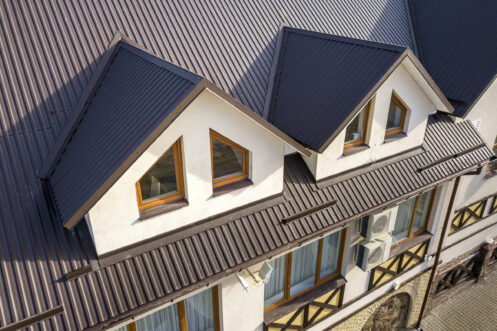
This 24-gauge steel install in Little Elm shows the panel handling, seaming and finish quality that separate a good metal roof from a cheap one:

