

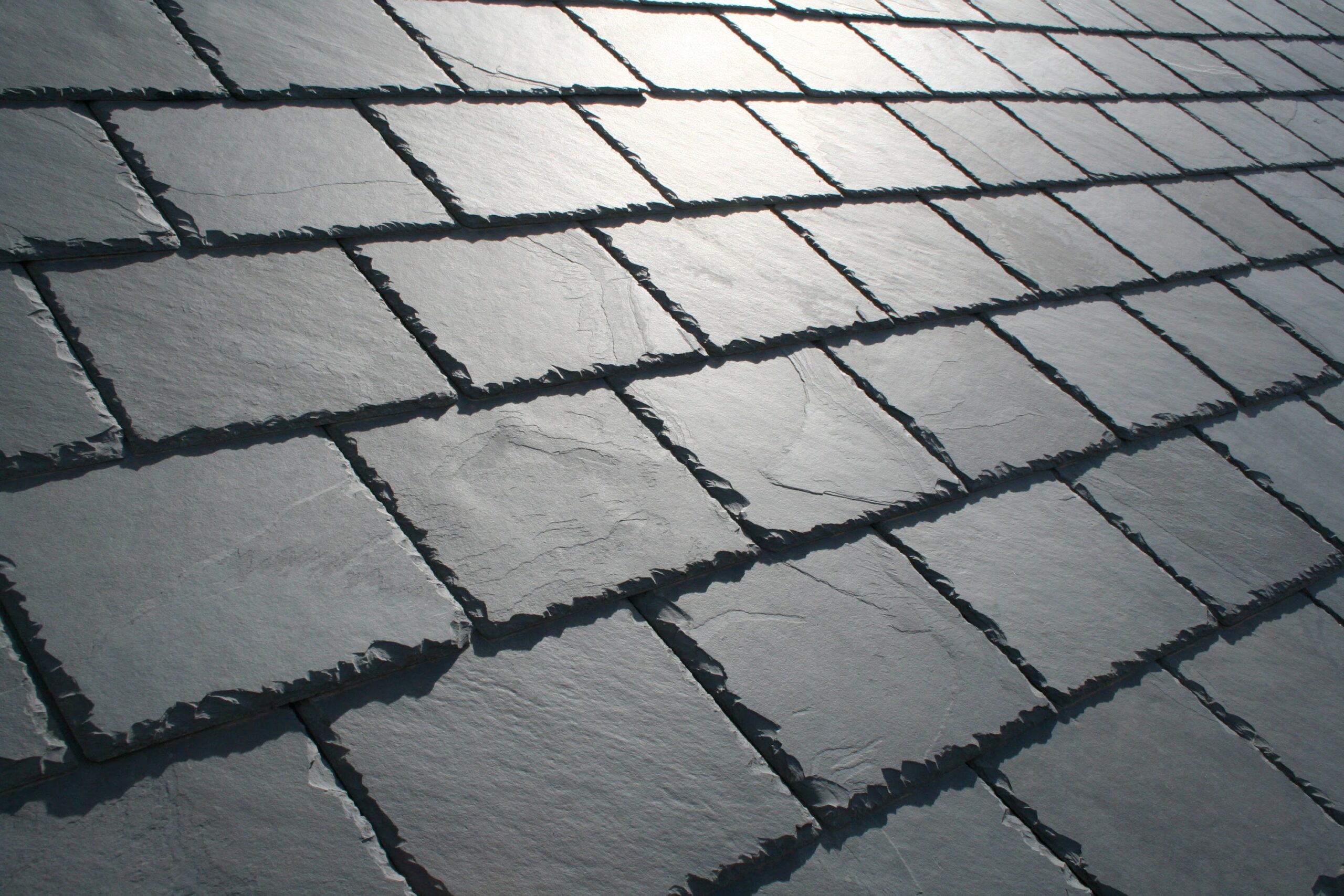
Key Takeaways
- Natural slate can last 50 to 200 years, synthetic about 50. Slate is quarried stone, and well-built slate roofs on U.S. buildings have outlived their original owners by generations. Synthetic won’t be the last roof you install, but it still outlasts nearly every conventional option.
- The price gap runs roughly double. Natural slate costs about $15 to $30 per square foot, more if the roof shape is complex. Synthetic slate typically lands between $10 and $12 per square foot and rarely climbs past $20, which puts it alongside other luxury shingle options.
- Weight is the deciding factor for most homes. Natural slate is heavy enough that many houses need structural modifications before it can go on, which adds cost and time. Synthetic weighs no more than conventional roofing and comes in lighter than architectural asphalt luxury shingles, so it can usually replace what’s already there.
- Natural slate typically carries no manufacturer warranty. It’s a naturally occurring material, so defects are on you. Synthetic slate ships with a warranty against manufacturing defects, meaning premature material failure is the manufacturer’s problem rather than yours.
- Slate installation is closer to a craft than a procedure. The stone breaks easily in inexperienced hands, and the tiles need precise overlap and tolerance. One misaligned nail puts pressure on a tile and can fail it early. Synthetic is far more forgiving to install.
Natural slate and synthetic slate roofing can create a similar high-end appearance, but the two systems differ considerably in weight, installation requirements, expected service life, cost, and maintenance considerations.
Natural slate is quarried stone and has been used as a roofing material for centuries. Synthetic slate is manufactured to recreate the appearance of natural slate while offering a lighter roofing option that may be easier to install on some homes.
For Dallas-Fort Worth homeowners comparing the two, the right choice depends on more than appearance. This guide explains the key differences between natural and synthetic slate and what to consider before selecting a roofing system for your home.
Why Would You Want a Slate Roof?
Slate is a natural shale-type sedimentary rock. Here in the U.S., it’s found predominantly in New York, Vermont, Pennsylvania, and Virginia. Homeowners often choose it as a roofing material for a variety of reasons. Among these is the fact that slate roofs are waterproof and fireproof. They’re also mold-resistant and work well to insulate your home from the elements. Slate roofs boast some of the best longevity you’ll get with any roofing material. A well-built slate roof can last for up to 200 years. So, if you want to install a roof you’ll never need to replace in your lifetime, slate is a perfect solution.
What Is Synthetic Slate Roofing?
Synthetic slate roofing is manufactured to recreate the appearance of natural slate using engineered roofing materials. Depending on the product, synthetic slate may use polymers, recycled materials, or other composite components molded into profiles designed to resemble individual slate tiles.
One of the biggest differences between synthetic and natural slate is weight. Synthetic slate products are generally much lighter, which can reduce the structural demands associated with a traditional natural slate roofing system.
Synthetic slate can also provide more consistency in shape, color, and manufacturing than quarried stone. Product specifications vary considerably, however, so homeowners should compare the specific manufacturer’s impact ratings, fire classification, warranty, installation requirements, and approved roofing-system components before making a decision.
Homeowners interested in manufactured slate-style roofing can explore KPost’s synthetic shingles and tile roofing services.
Choosing Between Slate and Synthetic Slate
Since slate and synthetic slate shingles offer an all-but-identical appearance, it may not seem easy to choose between them. However, the decision for most homeowners comes down to four main differences between these materials.
| Feature | Natural slate | Synthetic slate |
|---|---|---|
| What it is | Quarried stone. In the U.S. it comes mainly from New York, Vermont, Pennsylvania, and Virginia | Manufactured from polymers, recycled materials, or other composites molded to look like slate |
| Weight | Extremely heavy. The house may need structural modifications before installation | Much lighter. It can usually go on in place of the roofing you already have |
| Expected lifespan | About 50 to 200 years when installed by skilled craftsmen | About 50 years |
| Manufacturer warranty | Typically none, because it is a natural material | Covered against manufacturing defects |
| Cost per square foot | About $15 to $30, before any structural work | About $10 to $12, rarely above $20 |
| Installation | Easy to break and demanding to lay, with exact overlaps and tolerances | Easier to work with and more forgiving |
The Weight of the Product
Installing a slate roof is like piling stones on top of your home. Slate is extremely heavy, and your home might not be equipped to handle it. As a result, installing a slate roof might require some significant structural modifications to your home. That can add significantly to the cost of your roofing project. It can also add to the inconvenience involved and how long it will take to install your new roof.
By contrast, synthetic slate shingles are no heavier than any other type of conventional roofing material. It’s possible to install them in place of whatever roofing material you already have. Synthetic slate shingles are even lighter than architectural asphalt luxury shingle types and offer all their advantages.
The Expected Lifespan of Your Roof
On average, a slate roof lasts between 50 and 200 years. There are even examples of slate roofs on buildings in the U.S. that are far older than that. However, getting that kind of lifespan from your slate roof requires that it be installed by skilled craftsmen. Slate is by no means an easy material to work with for a roofer. It’s easy to break if you’re not accustomed to working with it. Getting the most out of a slate roof requires that its tiles have the proper overlap and tolerances between them. All those things make slate roof installation more of an art than a science.
Synthetic slate shingles are far easier to work with and are more forgiving than real slate. However, they won’t last nearly as long. On average, you can expect about 50 years out of a synthetic slate roof. So, it may not be the last roof you ever install on your home, but it’ll outlast most other conventional roofs.
Your New Roof’s Warranty
Another factor that may influence your decision between slate and synthetic slate shingles is your new roof’s warranty. Since real slate is a naturally produced material, it typically doesn’t come with a manufacturer’s warranty. That means if there are any unseen defects in your slate roof, you’ll end up paying to repair them yourself. Plus, it’s often difficult to tell if a defect in your slate roof is the result of a problem with the slate itself. A single misaligned nail can put pressure on a slate tile and lead to its premature failure. There are also countless other near-invisible ways that slate roof tiles can get damaged during installation. This could leave you on the hook for all kinds of repair costs, especially if you choose an inexperienced installer. Synthetic slate shingles, on the other hand, come with warranties against manufacturing defects. This means if the materials used in your synthetic slate roof fail prematurely, the manufacturer will cover the cost.
The Cost of Your New Roof
The final deciding factor between real slate and synthetic slate shingles is their cost. On average, a slate roof will cost between $15 and $30 per square foot. Those costs can rise even higher if your home has an especially complex roof shape or challenging installation conditions. That, of course, doesn’t include any structural modifications your home needs to support a slate roof.
A roof made of synthetic slate shingles should only cost between $10 and $12 per square foot. Those costs can rise with shifts in the supply industry, but rarely does that price point go above $20 per square foot. This makes synthetic slate shingles comparable in price to other common luxury shingle options. However, there are no other luxury shingle options that will outlast synthetic slate shingles. You can expect to pay around double for a real slate roof versus a synthetic one.
Cost Of Ownership: Real vs. Synthetic Slate
Material price is only part of the story. Real slate delivers century-long potential with heavier structure, specialty flashings, and highly skilled labor. Synthetic slate reduces weight and can trim labor hours, which often lowers total project cost, but service life and heat movement differ by brand and installation method. For a true apples-to-apples comparison, ask for life-cycle projections that include maintenance and expected repair points.
Planning and budgeting are easier with transparent financing and clear scopes. Review available financing options, then request line-item proposals that call out underlayment type, copper or stainless flashings at valleys and chimneys, and accessory vents compatible with your chosen slate. Want to see complex slate projects and pattern work? Browse our case studies or craftsmanship in the gallery to gather pattern and color ideas before design selections.
Your Local Residential Roofing Experts
If you want either a slate roof or one made of synthetic slate shingles for your Dallas home, choose KPost Company. You won’t find a team of roofers with more experience working with slate roofing materials in the Dallas area. Together, our roofing team has a combined 5,000 years of on-the-job experience. They can also make short work of a synthetic slate roof installation, too. We also offer comprehensive commercial and residential roofing services. So, if you need roof repairs, maintenance, or inspection services, we can handle it for you. We also offer rooftop solar power solutions, too. If you want to know what it’s like to work with us, check out our long list of glowing customer reviews. We’ve amassed a large and loyal customer base during our 20 years of operation. We even offer financing options on approved credit to help you pay for your next roofing project. For slate and synthetic slate roofing solutions in Dallas, call our team at KPost Company today!
FAQs
Synthetic products have come a long way, and this ceDUR shake roof at The Tribute shows how convincing a modern synthetic profile looks up close:

