

Key Takeaways
- Most residential replacements take one to three days. Size, weather, material type, and whether structural repairs turn up all move that window. Materials usually arrive one or two days ahead of the crew, so delivery on your driveway is not the start of work.
- Day one is tear-off and it’s the loudest day. Crews protect landscaping, siding, and windows first, then strip the old roofing into dump trailers staged near the house. Expect steady hammering and debris movement from morning to evening.
- Hidden decking damage surfaces after the old roof comes off. Once the deck is exposed, the crew inspects for rot and weakened sections caused by past water intrusion. Any bad wood has to be replaced before the new system goes on, which is the most common reason a timeline extends.
- Day two is where installation quality is determined. Shingles go on according to manufacturer specification, followed by ridge caps, ventilation components, and flashing details. Incorrect nailing, poor flashing work, or ventilation mistakes at this stage shorten the roof’s life by years.
- Cleanup should include a magnetic sweep. Crews remove shingles, nails, and packaging, and many run magnetic tools across driveways, walkways, and landscaping to collect stray fasteners. Expect a final walkthrough where you can review the finished work and ask questions.
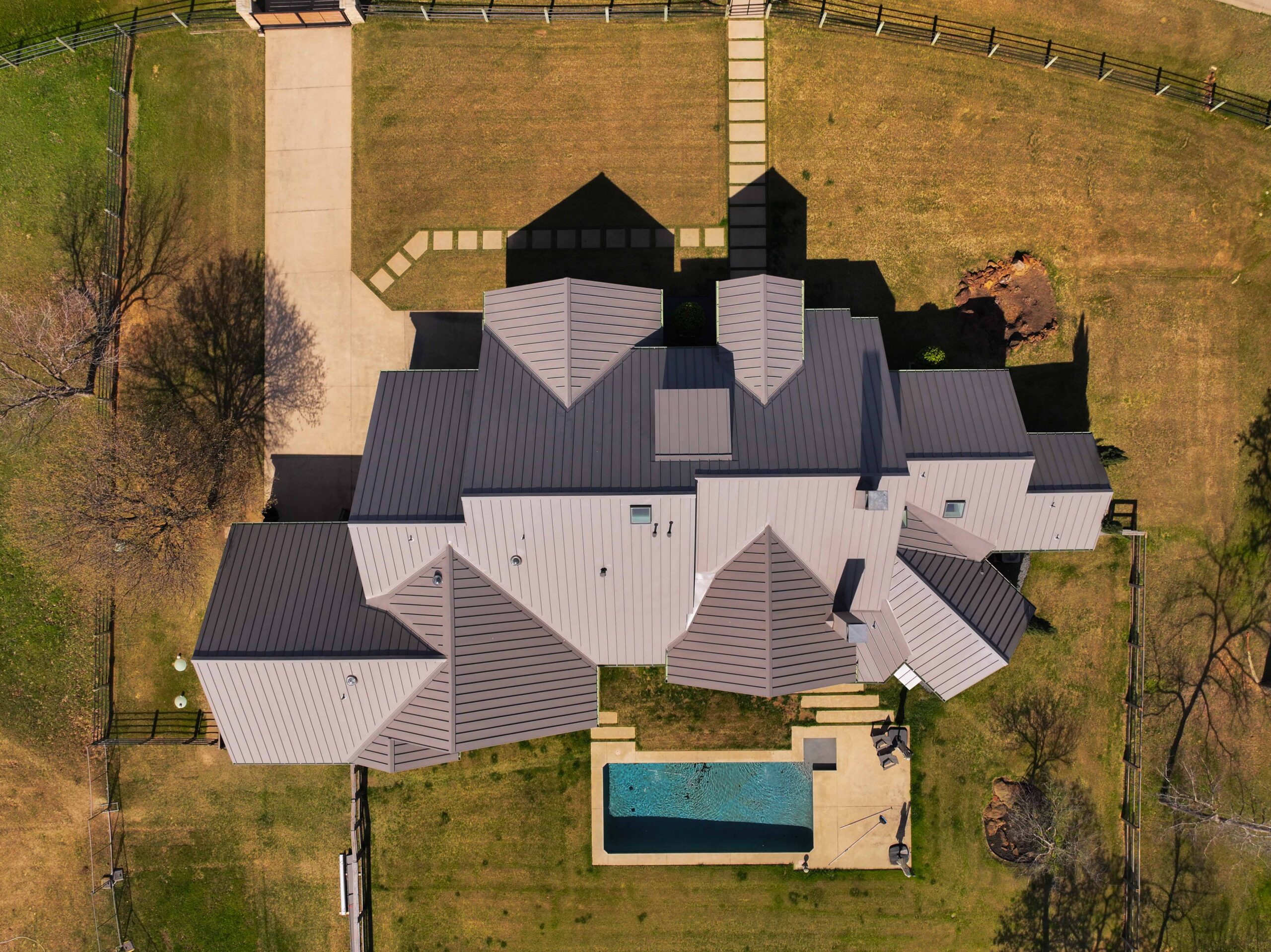
Replacing your roof may sound like a major disruption, but the process often moves faster than homeowners expect. Many residential roof replacements take one to three days, depending on the size of the roof, weather conditions, material type, and whether any structural repairs are needed. Knowing what happens before, during, and after installation can help you prepare your home and feel more confident throughout the project.
What Happens Before Roof Replacement Begins?
Before installation day, the process starts with a roof inspection and project consultation. This gives the roofing team a chance to evaluate your current roof, look for damage, and determine whether replacement is the best option. Homeowners often schedule a roof inspection in Dallas, TX before planning a replacement project.
- Missing or damaged shingles
- Flashing problems
- Ventilation concerns
- Decking damage
- Signs of leaks or moisture
- Storm-related wear
Once the inspection is complete, the contractor can review material options, provide an estimate, and schedule the project. Roofing materials are often delivered one or two days before installation begins. Before the crew arrives, homeowners should move vehicles, secure outdoor furniture, remove fragile wall decorations, cover attic valuables, and keep pets in a safe indoor area.
Day One: Removing the Old Roof
The first installation day usually begins with property protection. Crews may cover landscaping, siding, windows, and nearby surfaces before removing the old roofing materials. Dump trailers or debris containers are typically placed near the home so shingles, underlayment, flashing, and damaged materials can be removed efficiently.
This stage is often the loudest part of the project. Homeowners should expect steady movement, hammering, and debris removal throughout the day. Once the old materials are removed, the crew inspects the roof decking for hidden damage. If water intrusion has caused rotted wood or weakened areas, those sections need to be replaced before the new roof is installed.
After any necessary decking repairs are complete, roofers install underlayment and moisture barriers. Flashing areas around chimneys, vents, valleys, and roof edges also receive attention during this stage. By the end of day one, many homes already look dramatically different.
Day Two: Installing the New Roofing System
The second day usually focuses on installing the new roofing materials. Crews begin placing shingles or other selected materials according to manufacturer specifications. Proper installation matters because incorrect nailing, poor flashing work, or ventilation mistakes can shorten the roof’s lifespan.
Roofers work across the roof in an organized pattern to maintain alignment and consistency. As the installation progresses, they complete ridge caps, ventilation components, flashing details, and other finishing elements. Many standard residential roofs reach substantial completion during the second day, though larger homes or more complex rooflines may require additional time.
Homeowners replacing aging systems often explore professional roof replacement services to improve protection, curb appeal, and long-term roof performance.
Day Three: Final Details and Cleanup
Some roof replacements finish on the second day, while others continue into a third day for final details and cleanup. During this stage, roofers complete remaining trim work, sealing, flashing adjustments, and ventilation checks. The finished roof is also inspected carefully before the project is closed out.
Cleanup is an important part of the replacement process. Crews remove old shingles, nails, packaging materials, and debris from the property. Many roofers also use magnetic tools to collect stray nails around driveways, walkways, landscaping, and other high-traffic areas.
After cleanup, the contractor may complete a final walkthrough with the homeowner. This gives you a chance to ask questions, review the finished work, discuss warranty information, and understand any maintenance recommendations.
What Can Affect the Roof Replacement Timeline?
Although many roof replacements follow a predictable schedule, several factors can extend the timeline. Weather is one of the most common causes of delays. Rain, lightning, high winds, and severe storms can pause installation because safety always comes first.
Hidden structural damage can also add time. Once the old roof is removed, crews may discover rotted decking, moisture damage, or other issues that must be repaired before installation continues. Roof size and complexity also matter. Steep slopes, multiple valleys, dormers, skylights, and large roof surfaces require more labor and installation time.
Material availability may also affect scheduling, especially if the homeowner chooses specialty roofing products. Most contractors coordinate deliveries carefully, but special-order items can sometimes shift the timeline.
Signs You May Need a Roof Replacement
Roof damage often develops gradually, which is why homeowners may not realize replacement is needed until leaks or visible wear appear. Missing or curling shingles, frequent leaks, water stains on ceilings, sagging roof sections, granule loss, and storm damage can all point to a roof that needs professional attention. Older roofs may also become less reliable even if they are not leaking yet.
Choosing the Right Roofing Contractor
The roofing contractor you choose plays a major role in how smoothly the replacement process goes. Experienced roofing companies communicate clearly, maintain organized schedules, protect the property, and install materials correctly. With the right team, roof replacement does not have to feel overwhelming.
KPost Company has served the Dallas area since 2004 and has grown from a core group of 11 roofing professionals into a team of more than 400 employees and over 60 specialized crews. That experience helps homeowners feel more confident when planning a roof replacement.
If your roof shows signs of storm damage or aging, contact KPost Company today. Our team provides inspections, roof replacement services, and expert guidance for homeowners throughout the Dallas area.
FAQs
Here is the same process in motion, from tear-off through final cleanup on a residential replacement:

