

Key Takeaways
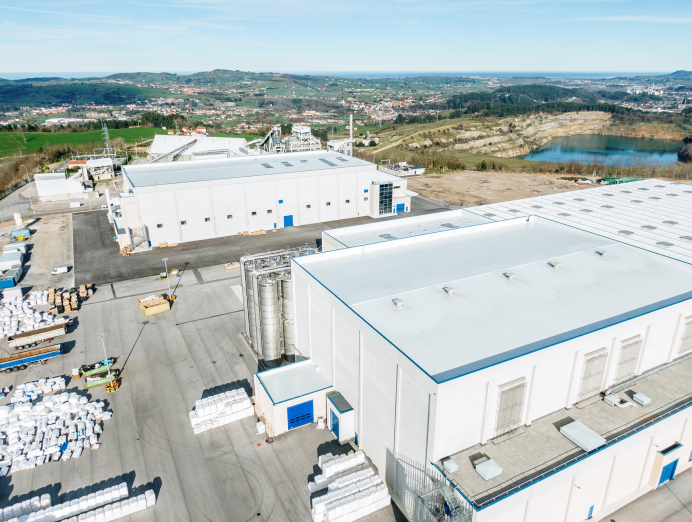
- The split is about the building, not the roof. Commercial roofing covers offices and retail. Industrial covers warehouses and factories. Commercial roofs commonly run 10,000 to 50,000 square feet with a slight slope. Industrial roofs can reach 100,000 square feet and are typically flat.
- Different buildings call for different materials. Commercial roofs lean on TPO, EPDM, PVC, and modified bitumen. Industrial roofs more often use metal, rubber, or built-up roofing, which layers reinforced fabrics with bitumen for a heavier-duty assembly.
- Service life depends on the system more than the building type. TPO, modified bitumen, and built-up roofs are each planned around roughly 20 to 30 years, on an office or on a warehouse. Industrial roofs also take more wear from chemical exposure, heavy machinery, large HVAC equipment, and constant foot traffic.
- Load and ventilation requirements diverge sharply. Industrial roofs carry machinery, oversized HVAC systems, and sometimes stored material, and safety regulations often demand higher load capacity. They also need more ventilation to release fumes and heat from equipment like forklifts.
- Industrial roofs carry mandated safety equipment. Guardrails, personal fall arrest systems, skylight screens and covers, roof hatch safety rails, warning line systems, and ladder safety systems can all be required.
As a business owner, you must keep any buildings you own up to code. You should also ensure they look their best. You can decide how best to roof your buildings by learning about the differences between commercial and industrial roofing.
Purpose
One of the key differences between commercial and industrial roofing involves the purpose they serve. For example, commercial roof installation is for offices, retail spaces, and similar businesses. Alternatively, industrial roofing covers buildings like warehouses and factories.
Size
Additionally, commercial roofs and industrial roofs often differ in size. The size of a commercial roof varies depending on the size of the business. However, it’s not uncommon for commercial roofs to range in size from 10,000 to 50,000 square feet. Industrial roofs likewise vary in size. They can span as much as 100,000 square feet, depending on the size of the warehouse, factory or other industrial space they cover.
Slope
Slope also factors into the differences between commercial and industrial roofing. Commercial roofs often have a slight slope to them. On the other hand, industrial roofs are typically flat.
Materials
Commercial roofs often utilize materials like thermoplastic olefin (TPO), ethylene propylene diene monomer (EPDM), polyvinyl chloride (PVC), or modified bitumen. Industrial rooftops often feature materials like metal or rubber. Roofers also use a material known as built-up roofing, which consists of multiple layers of reinforced fabrics and bitumen, for industrial roofs. Built-up roofing creates a robust and long-lasting rooftop for warehouses, factories and similar buildings.
Load-Bearing Capacity
Commercial roofs and industrial roofs have different load-bearing capacities. Industrial roofing may have to withstand heavy weights from machinery and equipment and large HVAC systems. Their owners may also use them for storing heavy-duty materials and products. Safety regulations can also call for industrial roofs to have higher load-bearing capabilities than commercial roofs to ensure the safety of workers and machinery.
Insulation
Industrial roofs also typically require more insulation than commercial roofs. This requirement stems from the design and structure of industrial buildings. Likewise, commercial roofs crafted from materials like spray polyurethane or polystyrene boards have higher moisture protection and a thermal resistance, making them better insulators than materials used in industrial roofing.
Ventilation
Because of the machinery and equipment used in factories and warehouses, industrial roofs often must have more ventilation than commercial roofs. The roofs must allow for the escape of fumes and heat from equipment like forklifts and sidewinders.
Durability
Commercial roofs and industrial roofs often differ in their durability. Both can last 20 to 30 years, depending on the roof system and how it is maintained. Our guide to commercial roof life expectancy gives the range for each system, and routine professional maintenance helps a roof reach it.
Maintenance
Industrial roofs typically require more maintenance than commercial roofs. They need more upkeep due to factors like exposure to harsh chemicals used in factories. Likewise, they must support the weight of heavy machinery and HVAC systems, which can cause wear and tear. Additionally, industrial roofs often endure more foot traffic, particularly if their owners store materials or machinery on them.
Installation
Commercial roofs often take less time to install than industrial roofs. They are smaller and typically lack the complex designs found in industrial roofing. Industrial roofs can also include specialized features like skylights, ventilation systems, and insulation materials to meet specific safety and industry regulations. Adding these features can lengthen the amount of time it takes to install an industrial roof.
Cost
Because they are smaller in size and lack complex designs, commercial roofs also cost less money. Industrial roofs cost more because of the materials used in their creation. They are also typically larger and take longer to install, adding to labor costs.
Safety Features
Industry and governmental regulations require that industrial roofs have certain safety features. These features can include:
- Guardrails
- Personal fall arrest systems (PFAS)
- Skylight screens and covers
- Roof hatch safety rails
- Warning line systems
- Ladder safety systems
Regulations may also stipulate that roofers use fire-resistant materials to build industrial roofs. These roofs additionally might undergo more frequent regulatory or code inspections than commercial roofs.
Energy Efficiency
Commercial roofs tend to be more energy efficient than industrial roofs because they often have reflective coatings and use insulation to reduce heat absorption. The primary purpose of industrial roofs often revolves around resistance to extreme conditions and heavy-duty weight.
Aesthetics
Commercial roofing also tends to be more aesthetically pleasing than industrial roofing. Just like residential roofing, you might have more customization options with commercial roofing. You can select what color of shingles to use and create a roof that suits your aesthetic preferences. Industrial roofs typically prioritize functionality over aesthetics.
Environmental Impact
The environmental side of an industrial roof depends on what happens inside the building. A plant with process exhaust has to account for it in the roofing material around its vents and stacks, which the FAQs below cover.
Likewise, these roofs must meet energy efficiency standards to promote sustainability and reduce energy consumption. Industrial roofing projects also must satisfy air quality standards by using low-volatile organic compound (VOC) materials to ensure they minimize emissions and pollutants like dust and debris during construction.
Noise Reduction
Compared to commercial roofs, industrial roofing may need more noise-reduction features. These features can include acoustic roof decks made from specialized materials and have perforated designs to trap sound waves.
Access
Accessibility also factors into the differences between commercial and industrial roofs. Business owners may not need extensive access to their buildings’ roofs. However, warehouse and factory owners may need more access to their industrial roofs, particularly if they use the roofs for the storage of materials or equipment.
Fire Resistance
The materials typically used in industrial roofing make these roofs more resistant to fire. Fire performance comes from the tested roof assembly, not from the building type. Roof coverings are rated Class A, B, or C, and most asphalt shingles earn Class A. Industrial roofs also typically have features like fire barriers and compartments that contain and control potential fires.
Weather Resistance
Because of their materials and designs, industrial roofs tend to resist stormy weather in the Dallas area better than commercial roofs. After a storm, you may have to replace materials like shingles and flashing used in the construction of a commercial roof. Industrial roofs are not immune, though. High winds, hail, and other inclement weather damage the membranes and metal panels on plants and warehouses too, so they need the same inspection after a storm.
Learn More About Our Industrial and Commercial Roofing Services
At KPost Company, we have 20 years of experience providing building owners in the Dallas, TX area with reliable industrial and commercial roofing products and services. Our team of experienced roofers has completed over 1,000 projects and 60,000 work orders.
We also work on residential roofs and provide services for installation, inspection, and roof repair from storm damage. Contact us at KPost Company today to learn more about our commercial and industrial roofing products and services.
FAQs
The scope of work varies quite a bit by building type, and this overview covers where our commercial and industrial capabilities differ:

