

Key Takeaways
- Repairs several times a year mean the system is done. Occasional repair is normal. Frequent repair usually indicates widespread wear beneath the surface, and the cumulative cost can exceed a full replacement while still leaving you exposed during the next storm.
- Shingles can look fine while the roof fails. Underlayment, flashing, and insulation deteriorate on their own schedule. Once a roof approaches the end of its expected service life, failures become common even where the visible surface still looks acceptable.
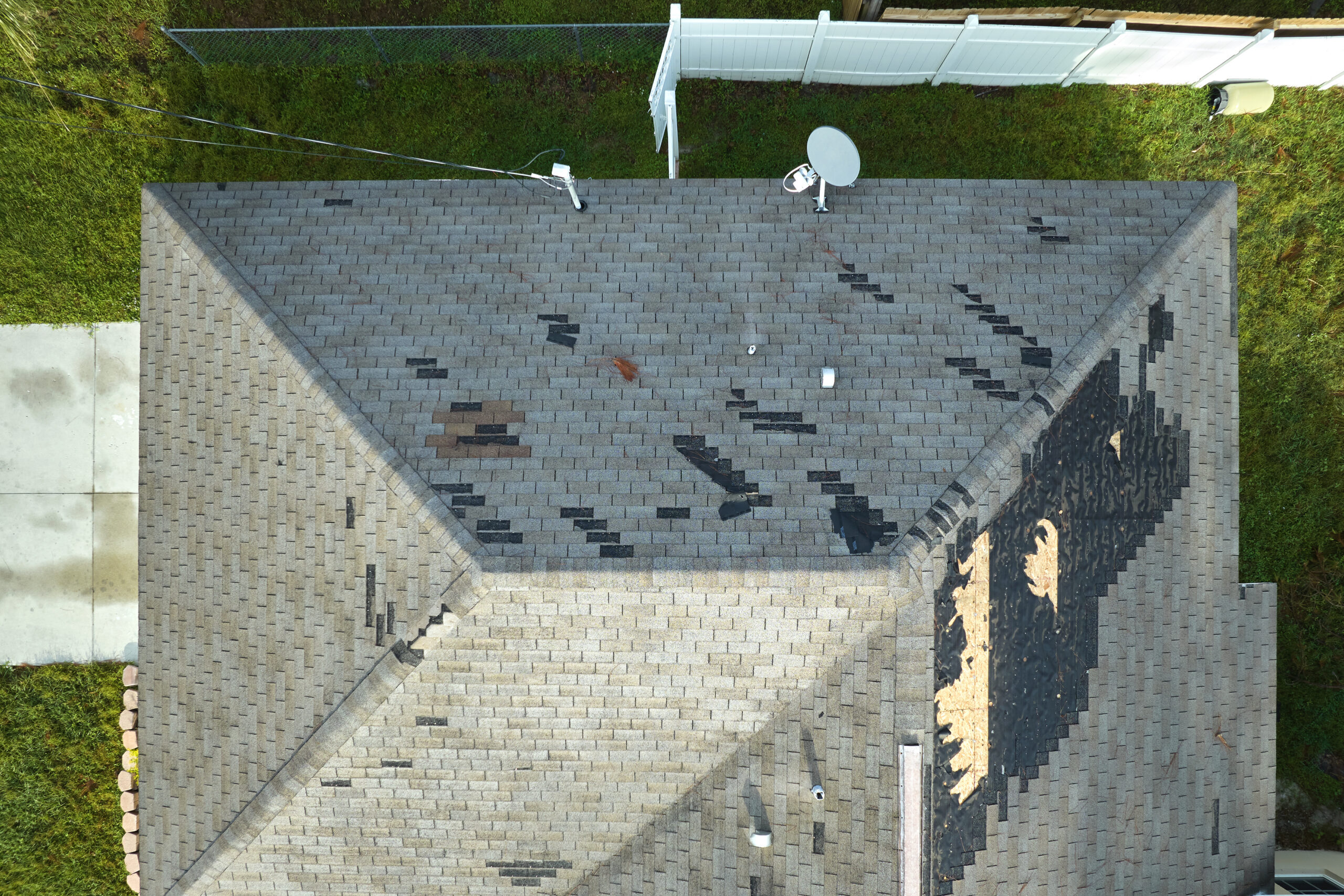
- Widespread damage makes spot repairs pointless. Curling shingles, granule loss, sagging areas, and soft spots across large portions of the roof indicate structural decline. Patching sections of a roof in that condition treats a few symptoms of a systemic problem.
- Unexplained energy bill increases can trace to the roof. Deteriorated materials, poor insulation, and air leaks let conditioned air escape and force the HVAC system to work harder. If usage has not changed and bills keep climbing, the roof belongs on the list of suspects.
- Replace before listing, not during negotiation. Buyers treat a recent roof as a major advantage because it removes a known future expense. In a competitive market, that difference shows up as stronger offers and smoother negotiation rather than as concessions off the price.
Your roof protects your home from the intense storms and changing weather conditions common in Dallas, Texas. Over time, small roofing problems can grow into larger issues, making it difficult to know whether continued repairs are worthwhile or if replacement is the smarter investment. Recognizing the warning signs early can help you avoid repeatedly spending on short-term fixes. In Dallas, TX, KPost Company helps homeowners evaluate roof conditions and choose practical, cost-effective solutions. If roofing problems keep returning, the following signs may indicate that a new roof is the better option.
1. Your Roof Repairs Are Becoming More Frequent
Needing roof repairs several times a year often signals that the roofing system is no longer performing as it should. While occasional repairs are normal, frequent issues usually point to widespread wear beneath the surface. Over time, repeated repairs can exceed the cost of a full replacement while still failing to provide long-term reliability.
A new roof eliminates recurring problem areas and reduces the risk of unexpected leaks during storms. Instead of managing constant maintenance, replacement offers consistent protection and peace of mind.
2. Your Roof Is Nearing the End of Its Lifespan
All roofing materials have a limited lifespan. As a roof ages, components such as underlayment, flashing, and insulation may deteriorate even if shingles appear intact. Once a roof approaches the end of its expected service life, failures become more common.
Replacing an aging roof before major damage occurs helps protect your home’s structure. It also gives homeowners the opportunity to upgrade to modern materials that improve durability and energy efficiency.
3. You Notice Widespread Damage Across the Roof
When damage appears across large portions of the roof, spot repairs are often ineffective. Issues like curling shingles, granule loss, sagging areas, or soft spots typically indicate structural decline.
A full roof replacement addresses all damaged components at once, restoring structural integrity and preventing moisture intrusion. When deterioration is widespread, replacement is usually the most practical long-term solution.
4. Your Energy Bills Are Increasing Without Explanation
An aging or damaged roof can contribute to rising energy costs. Poor insulation, deteriorated materials, and air leaks allow heat to escape, forcing HVAC systems to work harder to maintain indoor comfort.
If utility bills increase without changes in usage, the roof may be contributing to energy loss. New roofing systems are designed to improve thermal performance, helping regulate indoor temperatures and reduce strain on heating and cooling equipment.
5. You Are Planning to Sell Your Home Soon
An older or damaged roof can discourage buyers and reduce a home’s market value. Buyers often view a recently replaced roof as a major advantage, since it minimizes future expenses and indicates good maintenance.
Installing a new roof before listing a home can enhance curb appeal and increase buyer confidence. In competitive markets like Dallas, a modern roof may help attract stronger offers and smoother negotiations.
Additional Factors That Support Choosing a New Roof
Beyond the primary warning signs, other issues may reinforce the need for replacement rather than continued repairs.
- Visible sagging
- Persistent moisture or leak problems
- Significant storm damage
- Noticeable mold or algae growth
These conditions often indicate underlying structural problems. Addressing them with a new roof provides more reliable protection than repeated repairs.
How a New Roof Protects Your Home Long Term
A roof replacement resolves existing issues while strengthening your home’s overall structure. New roofing systems are designed to withstand local weather conditions, improve energy efficiency, and reduce the likelihood of future damage.
Replacing an aging roof also helps prevent water intrusion that can damage ceilings, walls, and electrical systems. Eliminating weak points protects your home during heavy rain and high winds.
What to Expect During a Roof Replacement
Roof replacement begins with a thorough inspection to identify damage and prepare the structure. Old materials are removed, the roof deck is inspected, and new components are installed based on your home’s needs.
At KPost Company, we focus on clear communication, efficient scheduling, and dependable workmanship. Our team works to minimize disruptions while delivering a durable roofing system designed for long-term performance.
Why Choosing Replacement Over Repair Can Save Money
Although replacement requires a larger upfront investment, it often saves money over time. Repeated repairs can add up quickly without addressing the root cause of roofing problems.
A new roof reduces ongoing maintenance costs, lowers the risk of major water damage, and increases property value. Working with KPost Company ensures you receive clear guidance on when replacement offers the best return on investment.
Choosing a new roof at the right time helps keep your home secure, energy-efficient, and protected. In Dallas, TX, KPost Company provides expert roof inspections, leak detection, and roofing maintenance services to support smart roofing decisions. Contact KPost Company today to schedule your consultation.
FAQs

