

Key Takeaways
- Two inspections a year, spring and fall. A spring inspection finds what winter weather did. A fall inspection catches problems before cold weather arrives. A roofer is checking for missing or damaged shingles, cracked flashing at vents, chimneys, and skylights, moss and debris buildup, and any sagging or uneven areas.
- Water dripping during a storm is a late-stage symptom. By the time you can see water inside, the leak has been working for a while. The earlier signals are ceiling and wall discoloration, musty odors, mold or mildew, and an unexplained jump in energy bills as wet insulation loses its R-value.
- A leak that returns after a patch has a different cause. Repeated failure at the same spot points to something upstream that the patch never touched. Same with sagging sections, spreading water stains, or mold that keeps coming back after treatment. Those indicate a structural problem, not a surface one.
- Overhanging branches cause four separate problems. They funnel water onto the roof, scrape shingles as they move, drop leaves and needles that trap moisture, and break off during storms. They also shade sections of roof, which is where moss, mold, and mildew take hold.
- Know which jobs are safe to do yourself. Clearing debris from the roof surface and gutters twice a year, trimming branches back, and watching for obvious damage are reasonable homeowner tasks. Walking the roof to inspect it, patching leaks, and replacing shingles are not. Most roofs last 20 to 30 years, and a bad repair shortens that.
Your roof is your home’s first line of defense, shielding you and your family from harsh weather and other external threats. Yet, it’s easy to overlook—until something goes wrong. Roof leaks, in particular, can start small and go unnoticed, quietly causing damage until they escalate into major, costly problems.
Taking a proactive approach to roof maintenance is essential for protecting your home and avoiding the stress and expense of extensive repairs. Knowing how to spot potential issues and when to rely on professional expertise can save you time, money, and hassle in the long run. Let’s explore how you can prevent roof leaks and when it’s time to call in the pros.
Why Roof Maintenance Matters
Your roof plays a vital role in protecting your home from rain, snow, hail, wind, and scorching sun. But constant exposure to the elements takes a toll, and without proper care, even the most durable roofs can succumb to leaks and damage over time.
Regular roof maintenance isn’t just about keeping your home safe—it’s a smart investment. Preventive care helps you avoid costly repairs, maintains your property value, and boosts curb appeal. After all, nothing drags down the look of a home like a worn, neglected roof. Plus, catching issues early reduces the likelihood of emergency repairs, saving you from the stress of scrambling to fix a leak during a storm.
Steps to Prevent Roof Leaks
The best way to avoid roof leaks is to stay proactive. With these strategies, you can keep your roof in top condition and prevent damage before it starts.
1. Inspect Your Roof Regularly
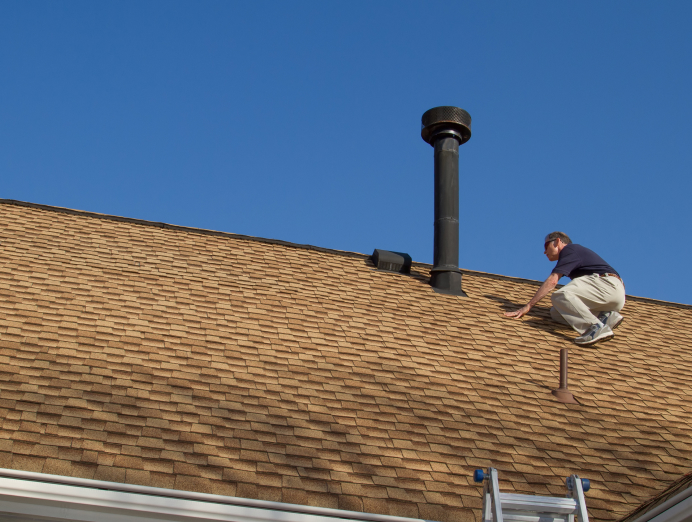
Protect your home by scheduling professional roof inspections at least twice a year. Spring and autumn are ideal times—spring inspections can uncover damage caused by harsh winter weather, while fall inspections prepare your roof to withstand the colder months ahead.
A professional roofer will thoroughly assess your roof, checking for:
- Missing or damaged shingles
- Cracked or deteriorating flashing around vents, chimneys, and skylights
- Moss, algae, or debris buildup
- Sagging or uneven areas
Attempting to inspect your roof on your own can be risky and may not catch hidden issues. Trust the expertise of a professional for a safe and comprehensive evaluation that ensures your roof remains in top condition.
2. Keep Your Gutters Clean
The primary job of gutters is to redirect rain and snowmelt from the surface of your roof. If your gutters haven’t been properly cleaned, water is likely to pool on the roof, creating a range of issues. Gutters should be cleaned twice per year.
3. Trim Overhanging Trees
Tree branches that hang over your roof can leak water, scrape shingles, drop leaves or needles, and even break off during storms. Additionally, they may create shady spots where moss, mold, and mildew thrive.
4. Check Your Attic
Your attic provides many clues about the overall condition of your roof. Look for the following signs of trouble:
- Damp insulation
- Water stains on the ceiling or walls
- Musty odors that indicate mildew or mold
- Inadequate ventilation
How to Recognize Early Signs of Roof Leaks
Spotting a roof leak while it’s still in its early stages can save you from more severe and costly problems down the road. Keep an eye out for these warning signs:
Water Stains on Ceilings and Walls
Discoloration on your ceiling or walls is a classic sign that you’ve got a leak on your roof.
Dripping Water During Rainstorms
If you see water dripping in your home interior when it rains, this means that the leak has already reached advanced stages and needs immediate attention.
Missing or Damaged Shingles
Shingles protect roofs from water infiltration. Missing or broken shingles should be repaired or replaced at once. If multiple shingles are missing, it might be time for a new roof.
Mold or Mildew Growth
Fungal organisms thrive in damp conditions, so their presence could mean that water is entering your home through your roof.
Higher Energy Bills
A sudden spike in utility bills could mean that a leak is compromising your home’s insulation.
Roof Maintenance — What You Can Do
While professional roofing services are crucial for repairs and inspections, there are some maintenance tasks some homeowners can handle to keep their roof in good shape between visits:
- Clear Debris: Regularly remove leaves, moss, and branches from your roof and gutters to prevent water buildup.
- Trim Overhanging Branches: Keep trees near your home trimmed to avoid damage from falling limbs or debris.
- Monitor for Issues: Look for obvious signs of damage, like missing shingles or clogged gutters, and contact a professional if you notice anything concerning.
Why Call a Professional?
Even seemingly small repairs, like replacing shingles or sealing cracks, can pose risks if done incorrectly. Improper fixes can lead to further damage or even safety hazards. For your peace of mind, trust professionals to handle all repairs, big or small. At KPost Company, we’re here to ensure your roof stays in top condition, no matter the challenge.
When to Call a Professional
While some small fixes may be manageable, others call for the experience and expertise of a qualified roofing professional. Here’s when you should enlist their help.
High winds, heavy precipitation, hail, and ice can cause significant damage to your roof even if it isn’t visible immediately. Schedule a professional inspection after a severe storm. If you’ve patched a leak but it keeps coming back, this points to an underlying issue that needs professional attention.
Depending on the type of material used, the average roof has a lifespan of 20 to 30 years. If yours is reaching the end of its life, regular inspections are highly recommended.
Call a professional if you have structural issues. Sagging sections, extensive water stains, and mold growth that keeps coming back after treatment often point to structural problems with your roof. A professional can assess and address these issues.
Long-Term Roof Leak Prevention
In addition to regular roof maintenance, these strategies can help safeguard against leaks.
Invest in High-Quality Roofing Materials
If the time has come to replace your roof, choose materials designed for durability and their ability to resist rough weather.
Install Proper Ventilation
Proper attic ventilation reduces moisture buildup, which can damage your roof from the inside out.
Apply Roof Coating
Applying a protective coating helps seal small cracks and guards against damage from UV rays.
Schedule Annual Professional Inspections
Even if your roof seems to be in good shape, an annual professional inspection can detect problems before they evolve into major headaches.
Protect Your Roof, Protect Your Home
As your home’s first line of defense against the elements, proper roof care is one of the best investments you can make as a homeowner. By taking a proactive maintenance approach, you can stay a step ahead of leaks and keep your home comfortable and safe.
At KPost Company, we’re proud to be the roofing contractor of choice for residents of Dallas and surrounding communities. When we opened our doors in 2004, we brought a combined 300 years of experience to the table.
Don’t wait for disaster to strike — reach out today to keep your roof leak-free.
FAQs

