

Key Takeaways
- Six signs the gutters should go with the roof. Sagging sections, frequent overflow during rain, leaks at seams or corners, rust or corrosion, gutters pulling away from the roofline, and water collecting near the foundation. Any of these means the drainage system is already failing at its job.
- A new roof can outrun old gutters. Metal and some synthetic roofing shed water faster than asphalt shingles, which puts more demand on the gutter system during heavy rain. A gutter that kept up with the old roof may overflow under the new one, especially during a Dallas downpour.
- Installing together lets the drainage match the roofline. New gutters can be aligned to the updated roofline and roofing material rather than fitted around what was already there. That reduces overflow and drainage problems during storms and avoids revisiting the work later.
- Sound gutters with life left don’t need replacing. If the existing system is structurally solid, draining properly, and compatible with the new roofing material, replacing it early adds cost without adding performance. That’s a real scenario, not a hypothetical.
- Phasing costs more overall but spreads the outlay. Combining the projects reduces labor overlap and shortens the total disruption to the property. Splitting them gives flexibility on timing, budget, and material selection. Which matters more depends on the condition of the gutters, not on preference.
Your roof and gutter system work together every time it rains, directing water away from your home and helping protect everything from the foundation to the exterior walls. Because both systems are constantly exposed to sun, rain, temperature swings, and debris, they naturally wear down over time.
When it becomes time for a roof replacement, many homeowners wonder whether the gutters should also be replaced at the same time. In some situations, combining both projects can improve drainage performance and simplify installation. In others, separating the projects may make more sense depending on the condition of the existing gutter system and the homeowner’s budget.
Understanding how these systems work together can help homeowners make a more informed decision about long-term roof and drainage performance.
How Roofing and Gutter Systems Work Together
Your roofing system is designed to direct water safely off the roof surface, while the gutter system carries that water away from the home. Together, these components help reduce moisture intrusion, foundation issues, soil erosion, and exterior water damage.
When both systems function properly, water moves efficiently away from the structure during heavy rain. However, when either the roof or gutters begin to deteriorate, the other system often experiences additional strain. Over time, even small drainage issues can contribute to larger roofing or moisture-related problems.
Because of this, many roofing professionals recommend evaluating both systems together before deciding whether one or both should be replaced.
Benefits of Replacing Your Roof and Gutters Together
Replacing both systems during the same project can offer several practical advantages, particularly when the existing gutters are aging or no longer performing properly.
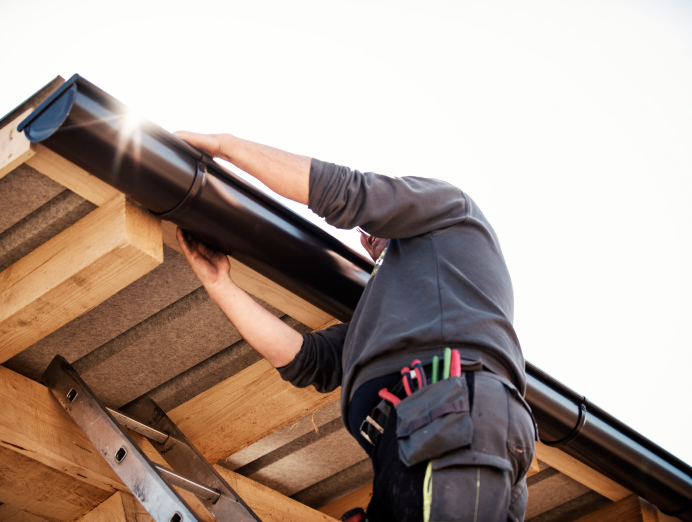
One of the biggest benefits is overall system compatibility. Installing new gutters alongside a new roof allows contractors to properly align the drainage system with the updated roofline and roofing materials. This can help improve water management and reduce the likelihood of overflow or drainage issues during heavy storms.
Combining both projects may also simplify scheduling and reduce the need for future adjustments. Rather than replacing the roof now and revisiting the gutters later, homeowners can complete the entire exterior water-management system at once.
In some cases, replacing both systems together may also help reduce labor overlap and minimize disruption to the property compared to scheduling two separate projects months or years apart.
Many homeowners also appreciate the visual benefit of replacing both systems at the same time because it creates a more cohesive appearance along the roofline.
Potential Drawbacks of Replacing Both at Once
Although replacing both systems together offers several advantages, it is not always necessary or practical for every home.
The most obvious consideration is the upfront investment. Roof replacement and gutter replacement are both significant projects individually, and combining them may place additional pressure on a homeowner’s budget.
In some situations, the existing gutters may still have years of functional life remaining. If the gutters are structurally sound, draining properly, and compatible with the new roofing system, replacing them prematurely may not provide substantial value.
Some homeowners also prefer completing the work in phases because it provides greater flexibility with project timing, budgeting, and material selection.
When Replacing Both Systems Often Makes Sense
Replacing both systems together is often worth considering when the existing gutters show visible signs of wear or struggle to handle water effectively during storms.
Common warning signs may include:
- Sagging gutter sections
- Frequent overflow during rain
- Leaks at seams or corners
- Rust or corrosion
- Gutters pulling away from the roofline
- Water collecting near the foundation
In these situations, installing new gutters alongside a roof replacement may help create a more reliable drainage system while reducing the likelihood of future modifications or repairs.
Certain roofing materials, including metal and some synthetic systems, may also shed water more quickly than traditional asphalt shingles, placing greater demand on gutter performance during heavy rain. In areas like Dallas, where intense storms and sudden downpours are common, proper drainage design becomes especially important.
Related post: Is Metal Roofing Right for Your Texas Home?
When It May Make More Sense to Separate the Projects
In many homes, the gutter system may still be functioning properly even when the roof has reached the end of its lifespan. If the gutters remain structurally sound and continue directing water away from the home effectively, replacing them immediately may not be necessary.
Some homeowners choose to prioritize the roof replacement first and address the gutter system later as part of a phased exterior improvement plan. This approach may provide more flexibility while allowing homeowners to focus their budget on the most immediate roofing needs.
However, even when gutters are not being replaced, they should still be professionally evaluated during the roofing project to ensure they remain compatible with the new roofing system and continue performing properly.
Professional Roof and Gutter Evaluations in Dallas
With more than 20 years of experience and more than 60,000 service work orders throughout the Dallas area, KPost Company provides residential and commercial roofing expertise backed by large-scale project experience.
Our team works with a wide range of roofing systems, including shingles, slate, clay and concrete tile, standing seam metal, synthetic roofing materials, and TPO systems. We help homeowners evaluate roofing and drainage performance together so they can make informed decisions about long-term protection, durability, and water management.
Whether you replace both systems together or complete the work in phases, our team can help assess your roofing and gutter needs and recommend solutions designed for long-term performance and protection.
Contact KPost Company today to schedule a professional roof and gutter inspection.
Related Post: Tips for Protecting Your Home During a Roof Replacement
FAQs

