

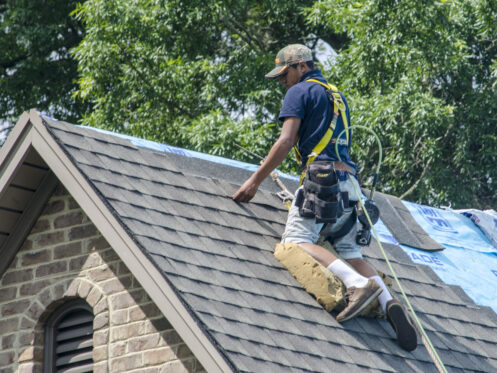
Winter roofing raises important questions about timing, installation conditions, and long-term performance. Cold weather can affect installation pace, material flexibility, and jobsite safety. At the same time, winter often offers easier scheduling and faster project availability. KPost Company in Dallas, TX, wants you to understand both the advantages and limitations so you can make a confident decision about your new roof.
Why Choose Winter Roof Installation
Many homeowners benefit from scheduling roof installations during the winter because contractor availability is typically higher. After the busy fall storm-repair season slows, crews have more open time slots, giving you greater flexibility if your roof needs immediate attention.
A winter project can also stop existing problems from worsening. Aging or damaged roofs are more vulnerable to leaks, and preventing winter moisture intrusion protects attic insulation, drywall, and framing.
Replacing your roof during winter also prepares your home for incoming spring weather, which often brings heavy rain to the Dallas area. Completing the work early helps you avoid the rush that typically occurs once spring storms arrive.
Advantages of Winter Roof Installation
Faster Scheduling
Winter is generally a lighter season for roof replacements. Spring, summer, and fall are peak periods, but winter workloads are smaller. This allows contractors to focus more efficiently on each job. With fewer overlapping projects, crews can coordinate material deliveries, preparation, and installation smoothly, supporting predictable timelines.
Avoid Spring Water Damage
Spring rains can intensify existing leaks. Replacing your roof during winter helps seal your home before wet weather begins, preventing moisture from entering attic spaces. Trapped moisture can lead to mold growth, wood rot, and insulation damage. These issues become much more expensive to repair if ignored.
Cold Air Helps With Shingle Alignment
Cooler temperatures help asphalt shingles maintain their shape, which supports precise alignment. Although shingles may take longer to seal in cold weather, modern products include adhesive strips designed to activate with sunlight. Roofers can also apply supplemental sealants to ensure strong bonding. When installed correctly, winter shingles perform just as reliably as shingles installed in warmer seasons.
Improved Ventilation and Moisture Detection
Winter conditions can reveal ventilation issues that may stay hidden during the summer. Cold air highlights condensation patterns in attic spaces, helping roofers locate areas that need improved airflow. Addressing ventilation during a roof replacement reduces the risk of attic moisture, heat pockets, and related problems. Although ice dams are uncommon in Dallas, proper ventilation still supports long-term roof health.
Easier Detection of Structural Weaknesses
Winter weather can expose hidden damage such as moisture pockets, frost patterns, or cold areas on the roof deck. These indicators help crews identify leaks or structural concerns that should be repaired before new materials are installed.
Colder temperatures also make brittle roof decking easier to identify. When plywood becomes stiffer in the cold, weak or compromised areas stand out more clearly, allowing roofers to address problems before the replacement begins.
Disadvantages of Winter Roof Installation
Material Handling Challenges
Asphalt shingles become less flexible in cold weather, which increases the risk of cracking. Professional crews adapt by storing shingle bundles in warmer spaces before application. Sealants may also take longer to activate in winter, so roofers often use additional adhesives to ensure proper bonding.
Ice and Snow Affect Jobsite Safety
Although Dallas does not experience heavy snow often, occasional icy mornings can still occur. Crews must clear icy or slippery surfaces before installation begins to ensure safe footing and proper shingle placement. These safety steps may extend preparation time when cold weather is present.
Limited Daylight Hours
Shorter winter days can limit the amount of work crews can safely complete in a single day, especially on larger roofing projects. This may extend the installation timeline slightly, but experienced roofers plan efficiently to maximize available daylight and maintain a steady schedule.
Tips for Homeowners Planning a Winter Roof Replacement
Preparing your property helps ensure a smooth winter roofing project. While Dallas winters are mild, occasional cold snaps or light rain can affect scheduling. The steps below help crews work safely and efficiently:
- Clear driveway access
- Ensure walkways are free of obstacles
- Move patio furniture and outdoor décor
- Protect stored items in the attic
- Secure indoor pets during the installation
- Confirm material delivery details
- Monitor weather forecasts and schedule updates
Remove obstacles such as toys, planters, or yard accessories to allow safe movement around your home. Keep children and pets indoors during installation, since falling debris and nails can create hazards. Preparing ahead of time helps crews begin work quickly and complete your project efficiently.
Managing Winter Roof Projects
KPost Company manages winter roofing installations with careful planning and close attention to weather conditions. We monitor temperature and moisture levels each day, stage materials only when surfaces are dry, and follow installation procedures designed for winter environments.
Before work begins, we inspect flashing, decking, ventilation, and drainage to prevent delays and ensure long-term performance. Our experience with Dallas weather allows us to install roofs safely and reliably throughout the year.
KPost Company has proudly served Dallas homeowners since 2004. With over 400 roofing experts and 60 dedicated crews, we provide reliable installation, maintenance, and roof repair services.
Contact KPost Company today to schedule your winter roof installation in Dallas. Winter can be a great time to restore your home’s protection.

